
描述
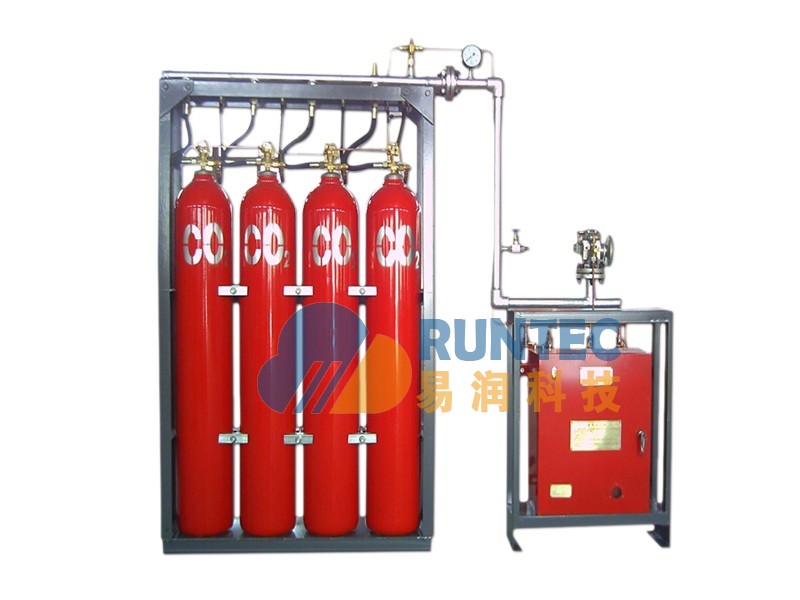
Shipboard Carbon Dioxide Fire Extinguishing System
Legal Basis: Regulations on the Administration of Seafarer Training of the People's Republic of China (Order No. 5 of the Ministry of Transport, 2019)
Product Category: Basic Safety Training Lab (Z01)
Product Name: Marine Carbon Dioxide Fire Extinguishing System
Functional Requirements: Capable of realistically simulating the operational procedures for CO2 fire suppression systems on vessels.
Specified quantity: 1 set
Carbon dioxide does not damage most materials, leaves no residue after extinguishing, is non-toxic, and is suitable for fighting fires involving various combustible and flammable liquids and solids; it can also be used for gas fires where the gas source can be shut off before extinguishing.Carbon dioxide offers advantages such as non-conductivity, non-staining of items, absence of water damage, high extinguishing efficiency, and low cost. It is particularly suitable for fire protection in locations including valuable archives and libraries, computer rooms, power distribution rooms, communication equipment rooms, aircraft and vehicle hangars, ship compartments, and central control rooms.
The high-pressure carbon dioxide automatic fire extinguishing system consists of fire detectors, fire alarm controllers, fixed extinguishing devices, piping, and nozzles. This system can be designed as either a unit independent system or a combined distribution system according to user requirements, employing total flooding or local application methods to extinguish fires occurring in single or multiple protected zones.Upon fire detection, temperature and smoke detectors transmit signals to the fire alarm control panel. After logical analysis, the panel issues extinguishing commands, opening container valves. Carbon dioxide is then discharged through valves, piping, and nozzles into the protected area. It rapidly vaporizes, lowering temperatures and displacing oxygen to extinguish the fire.Each cylinder bank in this system is equipped with a leak detection alarm. Should the extinguishing agent weight decrease by 10% due to leakage or other causes, the system will activate audible and visual alarms to facilitate timely maintenance and recharge.
Carbon dioxide gas fire suppression systems have gained widespread adoption due to their reliable fire-extinguishing capabilities and excellent practical performance.Carbon dioxide fire extinguishing agents are readily available, cost-effective, low-toxicity, and possess excellent electrical insulation properties. They can be stored long-term and leave no corrosion or staining on protected assets after discharge, making them widely adopted in modern fire protection engineering. As global concern grows over halon's detrimental impact on the ozone layer, carbon dioxide extinguishing agents have emerged as one of the primary media in gas fire suppression systems.
Characteristics of Carbon Dioxide Gas Fire Suppression Systems
Carbon dioxide offers advantages such as low toxicity, no contamination of protected items or the environment, no damage to the ozone layer, low cost, and excellent insulation properties. It is currently one of the fire extinguishing agents replacing halocarbons.
Scope of Application for Carbon Dioxide Gas Fire Suppression Systems
Carbon dioxide gas fire suppression systems may be used to extinguish the following types of fires:
1) Gas fires where the gas supply can be shut off before extinguishing;
2) Liquid fires or fires involving meltable solids such as paraffin or asphalt;
3) Surface fires on solid materials and deep-seated fires in cotton, wool, textiles, paper, and other partially solid materials;
4) Electrical fires.
Parameters of Carbon Dioxide Gas Fire Suppression System
System Design Pressure 15 MPa
Maximum working pressure of storage cylinder 15MPa
Storage cylinder capacity 70L
Storage temperature for gas cylinders: 0°–45°
Maximum Refill Rate for Storage Cylinders 0.6 kg/L
Fire Extinguishing Agent Refill Weight Tolerance 70L: ±0.45 kg
Maximum number of cylinders in a single system: 420 cylinders (70L)
System Fire Suppressant Release Time 30-420 seconds
Residual Agent Discharge Rate <5%
Operating Pressure of System Start-Up Device 6 MPa
Solenoid Valve Rated Voltage DC24V
Solenoid Valve Rated Current 1.5A
Starter bottle capacity 4L 7L 40L
Start-up bottle filling pressure: 6 MPa.
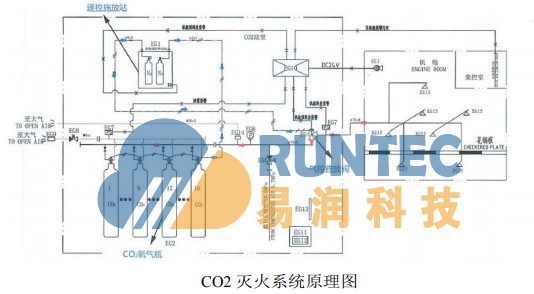
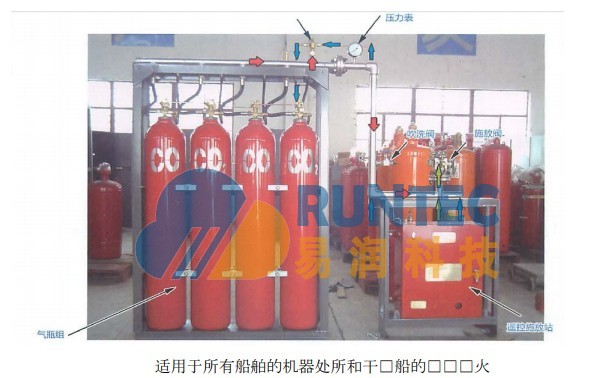
System Composition
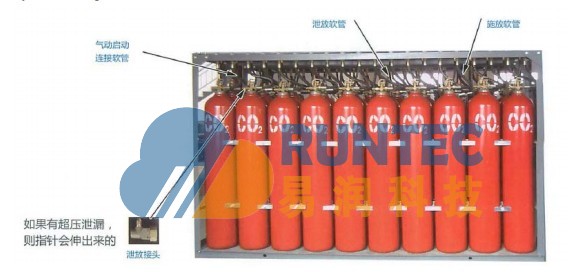
CO₂ Cylinder Assembly
1. The working pressure of CO₂ cylinders is 14.7 MPa, with a filling rate of 0.67 kg/L.
2. CO₂ cylinders shall be weighed every two years. Each 68L cylinder is filled with 45kg; each 40L cylinder is filled with 26kg.
Note: Marine applications now generally use 68 L cylinders.
3. The hydrostatic test pressure for the pipeline upstream of the CO₂ valve is 11.8 MPa. The leak test pressure between the release valve and the nozzle is 1.0 MPa.
System Inspection Requirements
I. Regulatory Requirements CO₂ fire suppression systems shall undergo the following inspections every two years, performed by a specialized company.
1. Weigh the CO2 cylinder.
2. One leak test of the pipeline upstream of the valve at a test pressure of 1.0 MPa.
3. Use 0.69 MPa compressed air to blow through each zone's piping separately. Verify the unobstructed flow from the zone piping to the sprinkler heads and the proper operation of the discharge valves.
4. Electrical Equipment Inspection.
II. Other Inspection Items Required by Standards:
1. Metal hoses must be inspected after 10 years of service and replaced at a rate of 20% of the total quantity.
2. The pipeline upstream of the release valve shall undergo a hydraulic pressure test every 10 years, with a test pressure of 11.8 MPa.
Maintenance and Inspection of CO2 Key Components
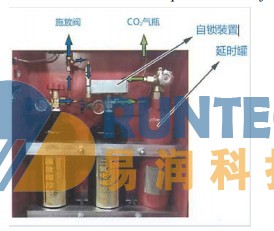
1. The remote release station features dual-channel control: one channel operates the pneumatic release valve, while the other controls the CO₂ cylinder. Newly built vessels since 2012 require the remote release station to incorporate a self-locking function that activates the valve before opening the cylinder.
2. Check the cylinder pressure using a pressure gauge, which typically reads 0 under normal conditions. To check the cylinder pressure, open the needle valve or valve behind the pressure gauge. Gas from the cylinder will enter the gauge, displaying the pressure reading. The standard filling pressure is 6.0 MPa. When the pressure drops by 101 kPa, replenish the gas to restore it to 6.0 MPa. Inspect the pressure monthly.
3. The delay device is a mechanical delay mechanism and requires no inspection. When using an electrical delay system, verify that the delay solenoid valve in the pneumatic control circuit is functioning properly.
Inspection Requirements for Other Major Components of the CO2 System
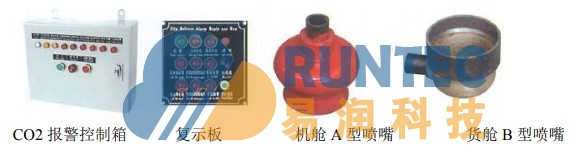
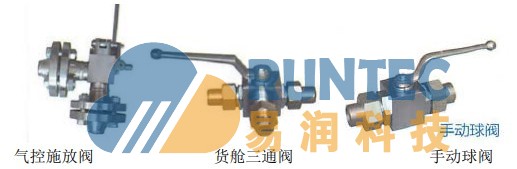
I. Inspection of Alarm Control Boxes and Display Panels
Primarily check whether all indicator lights are functioning properly and whether all alarm signals are operating correctly.
The inspection method is as follows:


 Chinese
  English
  Korean
  Japanese
  Thai
Thai  Arabic
  Spanish
  Russian
  Vietnamese
  Indonesian
评价
目前还没有评价