

Ship's “Super Brain”: Uncovering the Black Technology of Automatic Power Station Startup and Parallel Vehicles
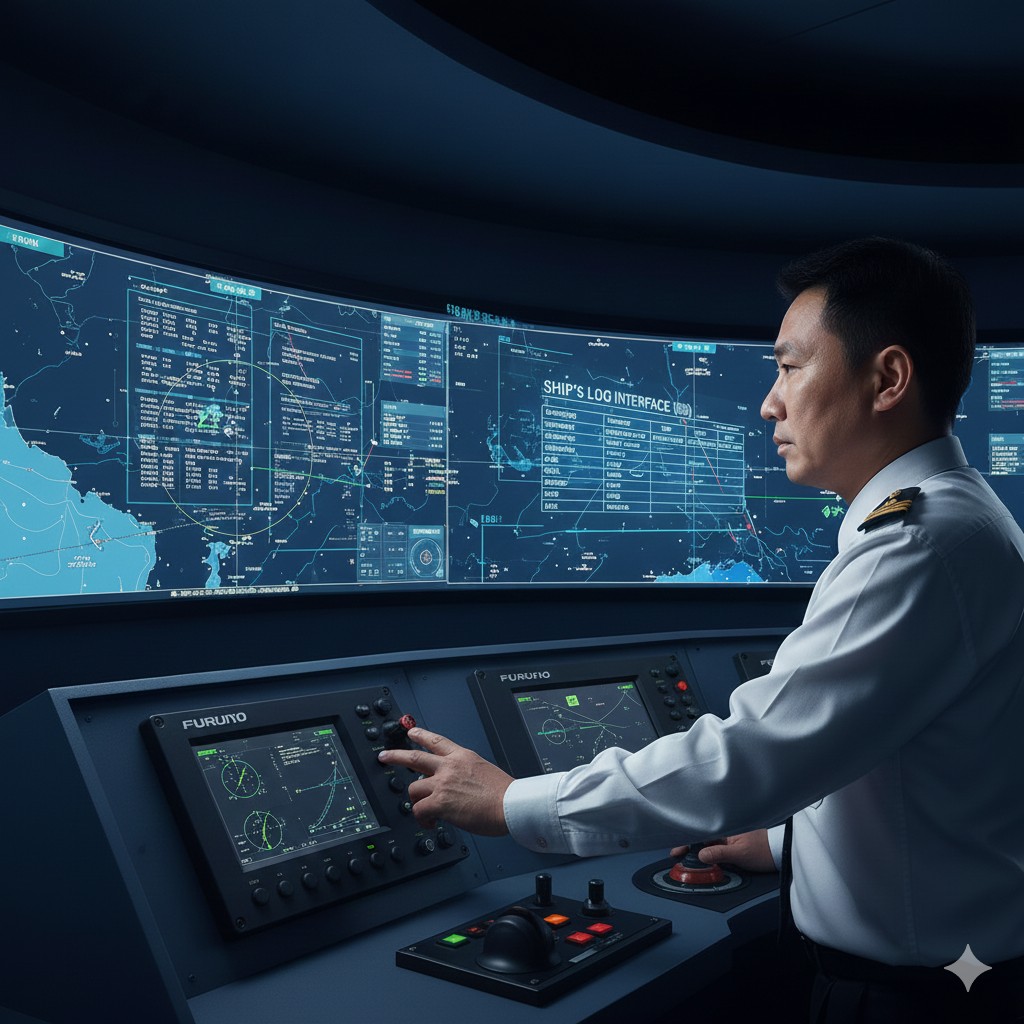
In the rough sea, the ship's power system is like the heart and central nervous system of human beings. Are you curious, when the ship turns on the heavy cargo lifter or high-power air conditioning, how the original static generator in the case of no one intervention, accurately realize the “second response, perfect grid-connection, balanced power”?
Today, we will take you into the core of **Power Management System (PMS/Power Management System)**, and dismantle the hardcore logic behind automatic start, automatic merging and frequency and load regulation.
I. Who is ordering? The three main “triggers” for automatic generator startup.”
An automatic power station doesn't roar for no reason. Like a tireless steward, it keeps an eye on the following three key indicators:
1. Blackout: the last line of defense
When the voltage relay detects that the bus voltage has gone to zero, the automatic power station will instantly issue a “rescue” command, forcing the emergency or standby unit to start, ensuring that the navigation and propulsion systems are uninterrupted.
2. The Power Principle: “Stewardship” for smart budgeting”
-
Heavy Load Alarm (Heavy Load): When the operating generator power reaches 80% power rating The system will determine when you are “out of energy” and automatically wake up your “backup teammate”.
-
Big loads of inquiries: Before turning on a big guy like a sidethruster, the system asks itself, “Is there enough power?” If it's not enough, it boosts the engine and then closes the gate.
3. Troubleshooting: prevention is better than cure
If the operating unit has a “fever” (high temperature of the cooling water) or the main switch is abnormal, the system will perform a “rotation system”, so that the healthy unit will be on top and the sick and weak unit will be withdrawn.
II. Automatic parallelism: a “round dance” in milliseconds”
Automatic quasi-synchronous merging is essentiallyDigital cloning of manual merging. The system has to be voltage matched, frequency difference tracked and phase aligned in a very short time.
-
Smart Focus: Automatically adjusts the regulator (AVR) and governor (Governor) to bring the pressure and frequency difference between the machine to be connected and the grid into the “sweet spot”.
-
Predictive Closing: More precise than a human hand, an automatic power station calculates the mechanical delay in the closing of the main circuit breaker and sends out commands a tiny angle in advance to ensure that in the 12 o'clock in sync. Instantaneous and precise closing minimizes inrush current.
III. Practical exercise: “three steps” on the simulator”
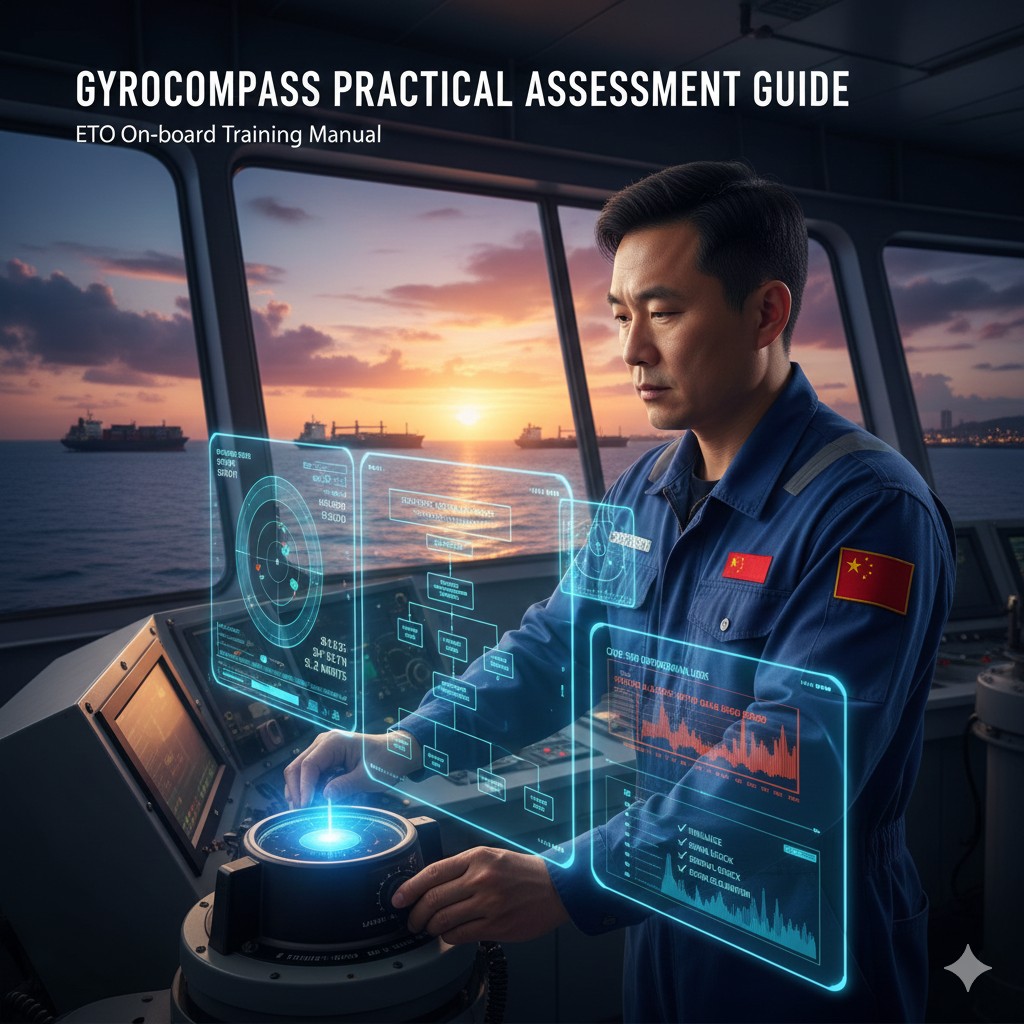
If you're preparing for ETO (Electrical and Electronics Technician) Practical Assessment, remember the following textbook procedure:
Step 1: Turn on the “God's eye view.”
Set the station mode to AUTO. Remember to check that the machine-side control panel has been switched to “REMOTE”. Without this, all the automatic algorithms are just empty.
Step 2: Line up the troops (set priorities)
A standby switch (e.g. 1-3-2) determines who is “Substitute 1”. If No. 3 fails to start, the command is automatically passed to No. 2. This is not just technology, it is the art of management.
Step 3: Witness the Miracle Moment
Gradually increase the load. When the “HEAVY LOAD” light flashes, you will see the standby unit automatically accelerate, synchronize and close.
Professional Observation Points: Observe how the power meter pointer slowly converges to the same position like two hands after the gate is closed - this is theAutomatic load equalization。
IV. Automatic frequency modulation and load shifting: a dynamic balance beam
After a successful merge, the system doesn't rest yet. It will ensure that the sink frequency is stabilized by adjusting the governor in real time at the 50Hz (or 60Hz)The system also allows each machine to “work in proportion” to its rated capacity. If the load is suddenly reduced at this time, the smart system will also automatically cancel the additional machines, energy saving and emission reduction.

 Chinese
  English
  Korean
  Japanese
  Thai
Thai  Arabic
  Spanish
  Russian
  Vietnamese
  Indonesian

