

Functional test of emergency switchboards on ships
I. Functional, operational and management requirements for emergency generators and emergency switchboards
1. Emergency generators
The general code requires that passenger ships and cargo ships over 500 gross tons should have an independent emergency power supply. It may be a generator or a battery bank. A generator used as an emergency power source is called an emergency generator.
The emergency generator set should have independent cooling device and fuel supply unit, and be equipped with a starting device that meets the requirements of the code. When the main power supply fails due to fire or other disasters on the ship, the emergency generator set should be able to automatically start and connect to the emergency switchboard as soon as possible to carry the rated load, and the maximum time should not exceed 45s. When the main power supply is restored, the emergency generator set will be disconnected automatically. The capacity of the emergency generator shall be such as to ensure the scope and duration of the power supply as specified in the International Convention for the Safety of Life at Sea (SOLAS) and by the competent authority, taking into account the possibility of simultaneous operation of these power-using equipment.
2. Emergency switchboards
The function of the emergency switchboard is to control and monitor the operating status of the emergency generator set and to supply power to emergency electrical equipment. It is installed in the same compartment as the emergency generator set and is generally located on the deck level of the ship. The emergency switchboard usually consists of only generator control panels and load panels. The electrical instrumentation installed on the emergency switchboard is similar to that of the main switchboard, except that the emergency generators do not need to be operated in parallel and do not require inverse power relays and synchronization tables.
The emergency switchboard should be wired so that there is an electrical interlock between the main generator, the emergency generator and the shore power switch to prevent unsynchronized switching (between several power sources). The electrical interlocking is achieved mainly through the auxiliary contacts of these power switches.
(1) The emergency power grid can be supplied by the main switchboard during normal times. Only when the main generator fails or is under maintenance will the emergency generator set supply power.
(2) The main switchboard is connected to the emergency switchboard through the power supply switch (EMCB) and the contact switch (ABTS), which is electrically interlocked with the main switch of the emergency switchboard to ensure that the emergency generator set does not operate when the main generator is supplying power to the grid (i.e., when there is no loss of power from the main grid).
(3) In the event of a mains power failure, the contact switch is automatically disconnected and the automatic starting device of the emergency generator set starts the emergency generator set automatically after a delayed confirmation and automatically closes the gate to supply power to the emergency grid.
(4) When power supply is restored to the main grid, the main switch of the emergency generator is immediately and automatically disconnected, the contact switch is automatically closed, the emergency grid is restored to be supplied by the main grid, and the emergency generator set is automatically stopped after a time delay.
(5) When it is necessary to check and test the emergency generator set at normal times, the emergency generator operating mode selector switch can be placed in the test position, at which time the emergency generator set can only carry out the no-load operation test; when carrying out the performance test, the emergency distribution board power supply switch (EMCB) on the main distribution board should be tripped to enable the emergency generator set to start up automatically, and the emergency generator set will close the gate to supply power to the emergency power grid automatically.
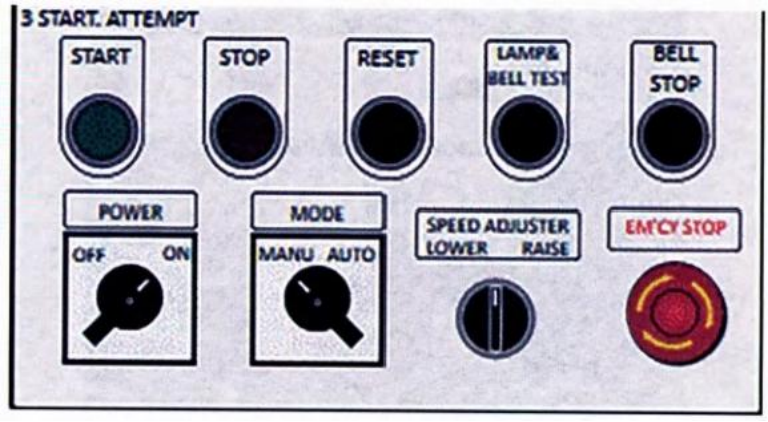
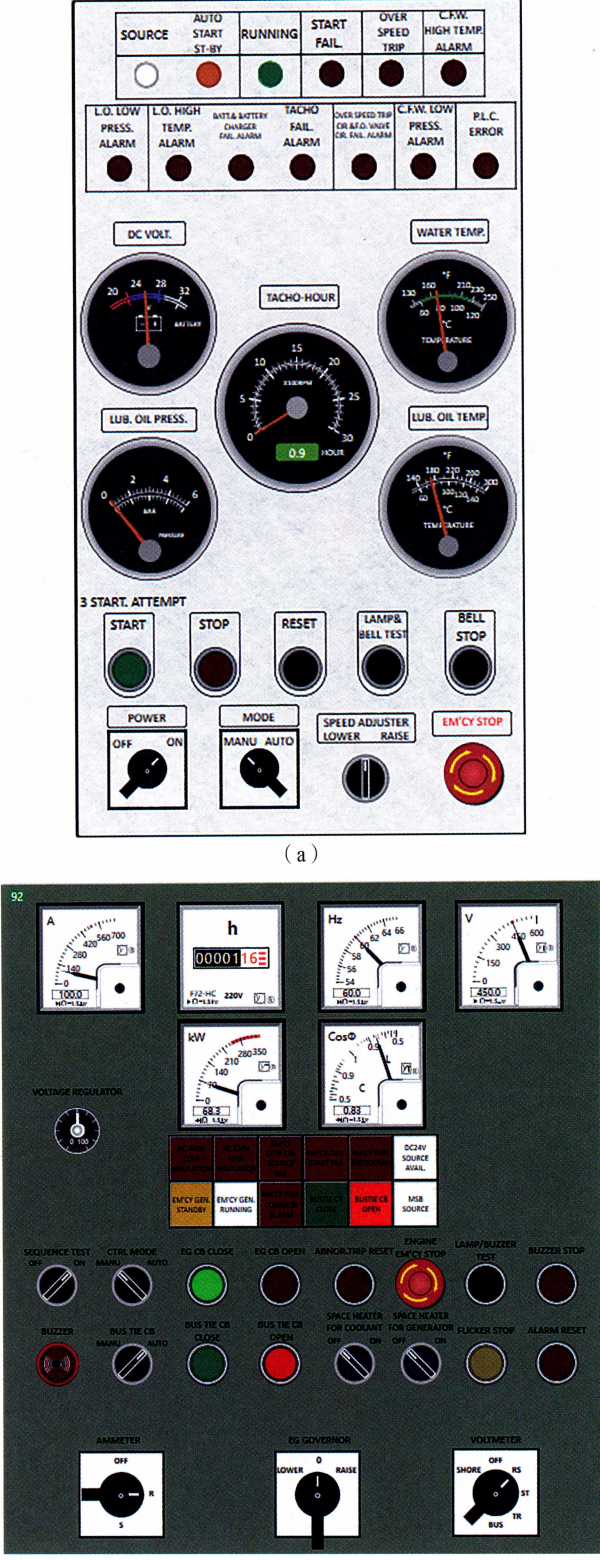
For some emergency power stations with automatic management, the emergency grid is allowed to switch over to the emergency generators only after the emergency generator sets are operating, to avoid conflicts with the main grid. Figure 8-1 shows a schematic diagram of the connection between the emergency switchboard and the main switchboard. Figure 8-2 shows the emergency generator control panel.
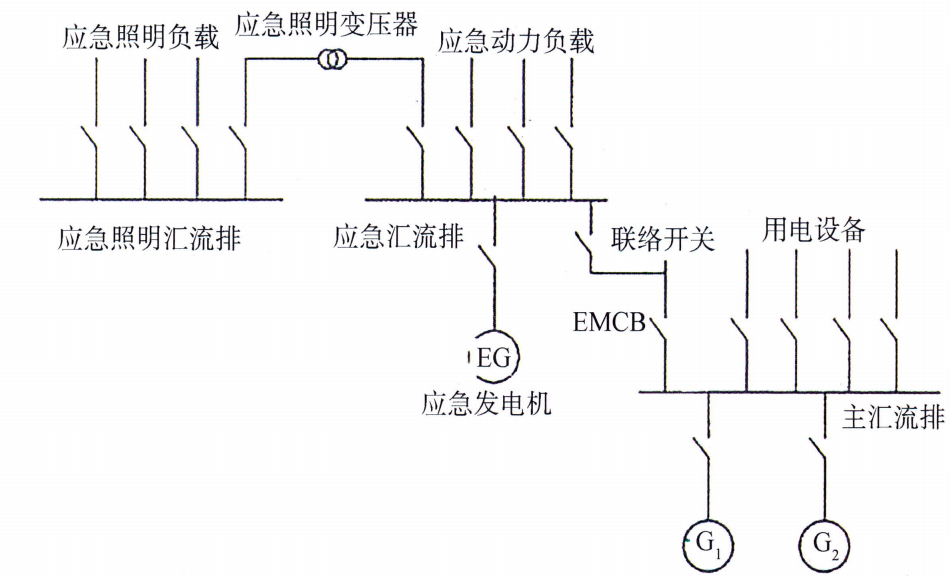
Figure 8-1 Emergency Distribution Board and Main Distribution Board Liaison Diagram
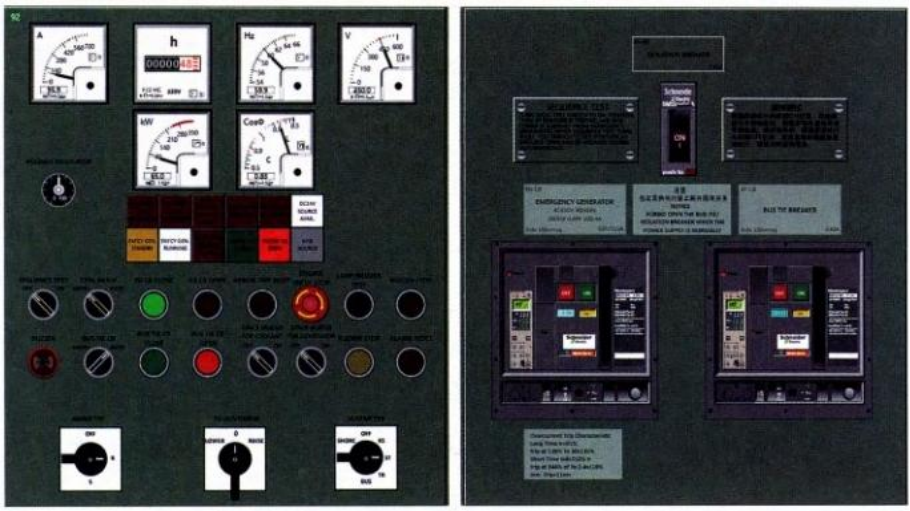
Figure 8-2 Emergency Generator Control Panel
II. Automatic start-up and closing test of emergency generators
(1) Notify the driver's cab and centralized control room before the test and be prepared to acknowledge the alarm.
(2) Before starting the emergency generator, check the state of the emergency generator starting battery, oil level and cooling water, and start the pre-skidding oil pump once for the pre-skidding oil supply operation.
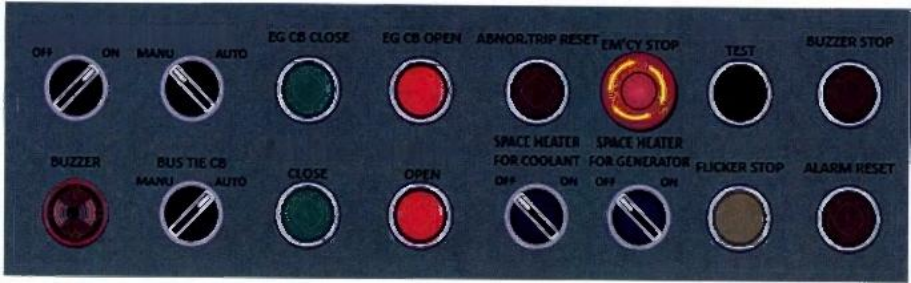
(3) Set the operating mode on the emergency generator machine-side control panel to Auto and the power distribution control mode on the emergency switchboard control panel to Auto. Figure 8-3 shows the preparation for the emergency generator automatic startup test.
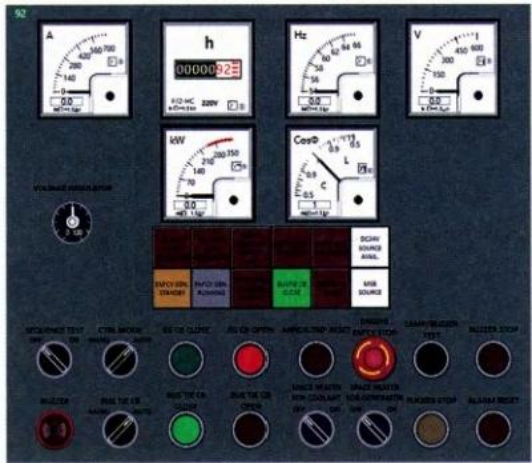
Figure 8-3 Emergency Generator Automatic Start Test Preparation
(4) The power supply from the main switchboard to the emergency switchboard is interrupted by disconnecting the “power supply switch (EMCB)” at the main switchboard, simulating a loss of power at the main switchboard. The contact switch is automatically disconnected and the emergency generator is automatically started, frequency regulated and closed to supply power to the emergency switchboard, as shown in Figure 8-4. When the “power supply switch (EMCB)” is closed on the main switchboard, the main switch of the emergency generator is tripped and the contact switch is closed automatically. The emergency generator stops automatically after a time delay.
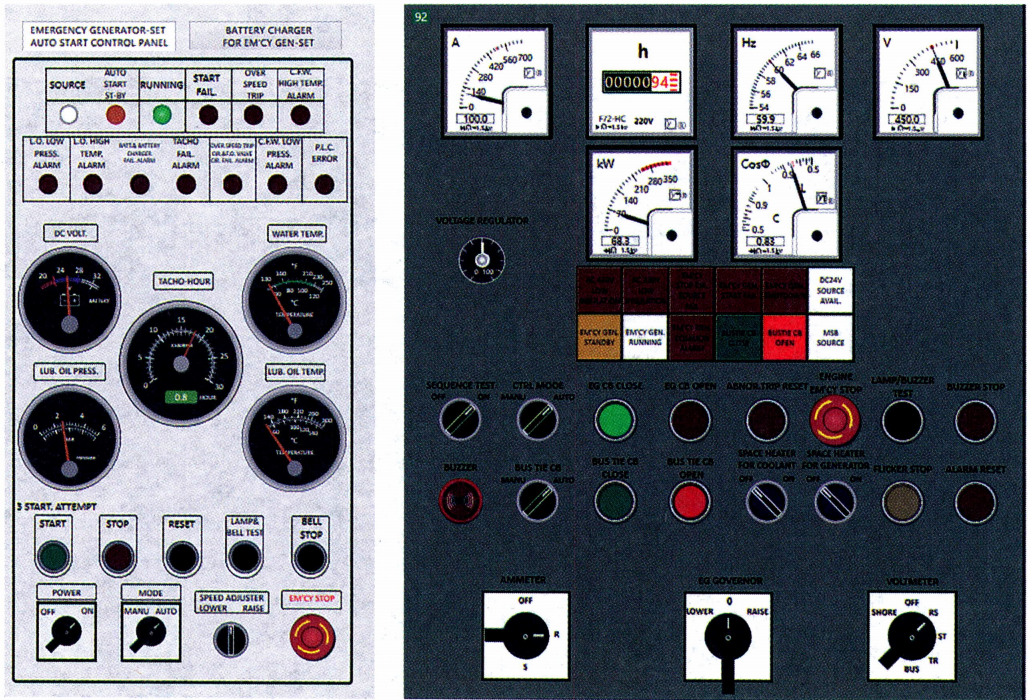
Figure 8-4 Emergency generator automatic start-up closing test
(5) When the “SEQUENCE TEST” change-over switch is turned to the “ON” position on the control panel of the emergency switchboard, the contact switch is automatically disconnected and the emergency generator automatically starts, modulates the frequency and closes the gate to supply power to the emergency switchboard; when the “SEQUENCE TEST” is turned to the “OFF” position, the emergency main switch is tripped and the contact switch is automatically closed. When the "SEQUENCE TEST" switch is turned to the "OFF" position, the emergency main switch is tripped and the contact switch is automatically closed. When "SEQUENCE TEST" turns to "OFF" position, the emergency main switch trips and the contact switch closes automatically.
(6) At the end of the test, resume the relevant operations such as closing the emergency switchboard power supply switch on the main switchboard and turning the “SEQUENCE TEST” change-over switch to the “ON” position on the emergency switchboard control panel, which will put the emergency generator in a normal state.









 Chinese
  English
  Korean
  Japanese
  Thai
Thai  Arabic
  Spanish
  Russian
  Vietnamese
  Indonesian

