

AC Circuit Measurement and AC Instrument Interpretation
I. Interpretation of exchange meters
Most AC instruments are electromagnetic instruments, which use a coil energized to produce a magnetic field to magnetize an iron plate to generate an electromagnetic force. When measuring large amounts of power, they can be used in conjunction with instrument transformers. Instrument transformers are converters used in conjunction with meters, including voltage and current transformers. The transformer realizes the proportional conversion of voltage/current through the principle of electromagnetic induction, and converts the high voltage/large current into the low voltage/small current that the instrument can withstand.
Second, power meter wiring interpretation
Most power meters are of electric system construction and can measure the power of DC circuits as well as sinusoidal and non-sinusoidal AC circuits with a high degree of accuracy. Power meters reflect the product of voltage and current and are usually made in multiple ranges.
(i) Power measurement
1. Methods of power measurement:See Table 13-1.
| Name | Measuring Lines | Instructions and Precautions | |
|
direct current circuit power measurements |
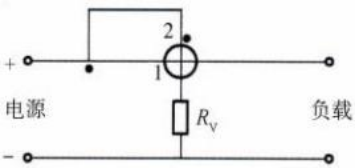 |
The “generator end” (symbol) must be connected to the same polarity of the power source when wiring. |
|
|
Single-phase AC circuits Measurement of power |
(a)
(b) |
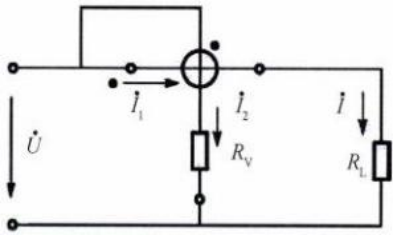
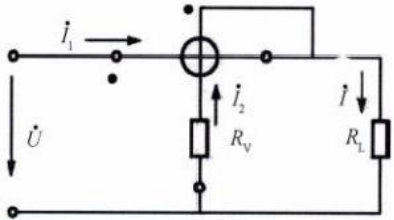
(1) The voltage terminal knob marked with a “ - ” sign can be connected to either end of the current terminal. Figure (b) shows the voltage coil after the connection for when R₁ is close to Ry. (2) The current terminal knob marked with “ - ” must be connected to one end of the power supply, and the other current terminal knob must be connected to the load end. |
|
|
three-phase AC Circuit Power Measurement |
three-phase, three-wire (TCM) integrated circuit connect a wire |
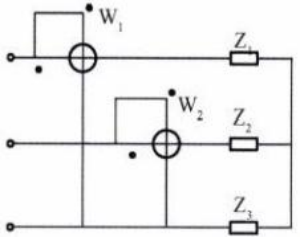 |
The total power of the circuit is equal to the algebraic sum of the readings from the two wattmeters. When the load cosφ < 0.5, there is a power meter reading is negative, i.e., the power meter is reversed. |
|
three-phase AC Circuit Power Measurement |
three-phase, four-phase wired circuit routing 线 |
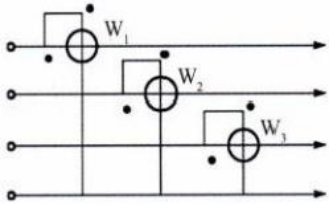 |
Using three single-phase power meters to measure the power of each phase, the total power of the circuit is the sum of the three power meter readings |
|
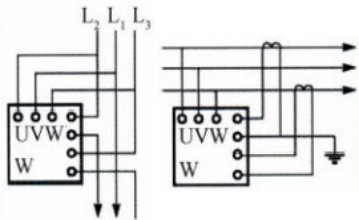
Three-phase power meter measurement Wiring for measurement |
(a) (b) |
Figure (a) shows the connection for direct access to the circuit; Figure (b) shows the connection with a current transformer into the circuit |
2. The use of power meters:Wiring is done with fixed coils (current coils) in series and movable coils (voltage coils) in parallel.
(1) Range selection for power meters:Voltage and current must be satisfied at the same time without exceeding the limit. For example, power 800W, voltage 220V, cosφ=0.8.
Calculate the current: I = P / Ucosφ = 800 / 220 × 0.8 ≈ 4.54 (A)
Conclusion: 300V / 5A power meter was selected.Note:The 150V/10A meter has a range of 1500W, but it is over the voltage limit and should not be used.
(2) Calculation of power meter reading: P=CN. where the power meter constant C = UN-IN/αm.
(3) Power meter wiring:Observe the “homonymous terminal” rule (power supply terminal “-” or “±”) to ensure that the current flows from the homonymous terminal.
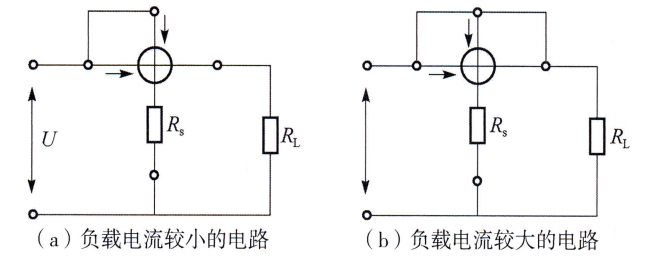
Figure 13-5 Electromagnetic Single-Phase Meter Wiring Diagram
(ii) Electrical energy measurements
1. Single-phase meters
(1) Electromagnetic single-phase meters:The eddy current and magnetic flux generated by the voltage/current coil is used to create a torque that drives the aluminum disc to rotate. Brake magnets ensure that the speed is consistent with the power.
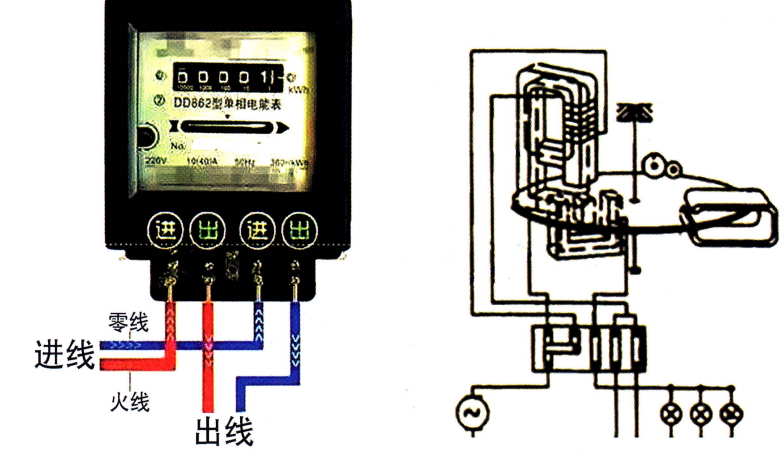
Figure 13-4 Electromagnetic Single-Phase Meter
The wiring consists of a series coil solenoid, parallel coil solenoid, meter gear and terminal board.
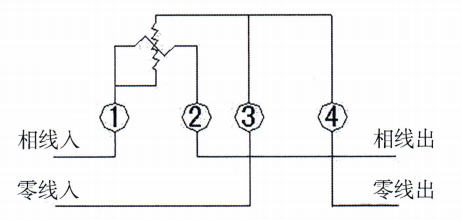
Figure 13-5 Electromagnetic Single-Phase Meter Wiring Diagram
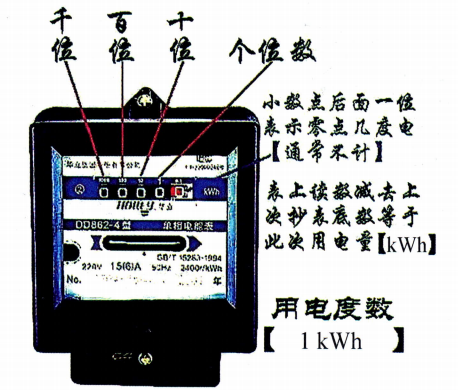
Figure 13-6 Electromagnetic Single-Phase Meter Reading
(2) Electronic single-phase meters:Calculated by taking a signal and accumulating time: W=(N₂-N₁)K, where N₂ and N₁ represent the two readings of the meter. Electronic single-phase meters ensure accurate readings. Provides for the use of an additive counting method, which can be measured even if the wiring is not correct.
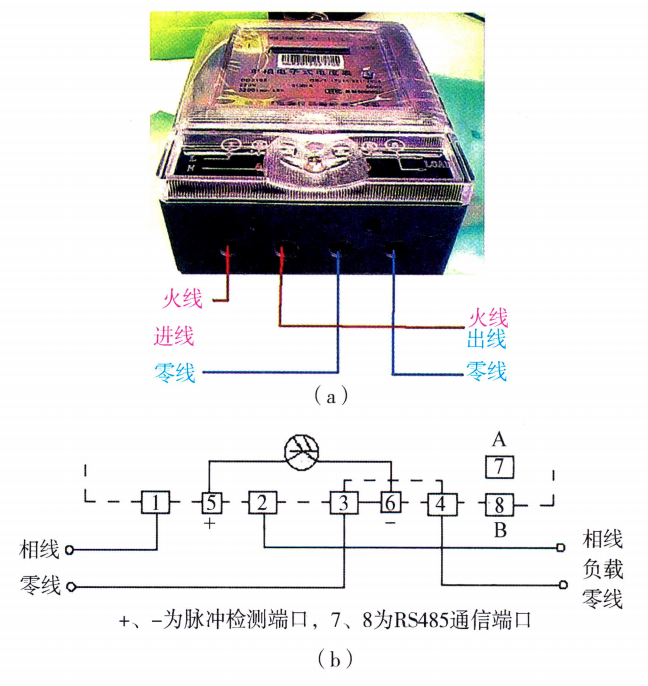
Figure 13-7 Electronic Single-Phase Meter Wiring
Method of reading:If connected via the transformer, the actual power W = (N₂-N₁)K (K is the ratio).
2. Three-phase meters
(1) Direct access method:Used when the load current is < 100A.
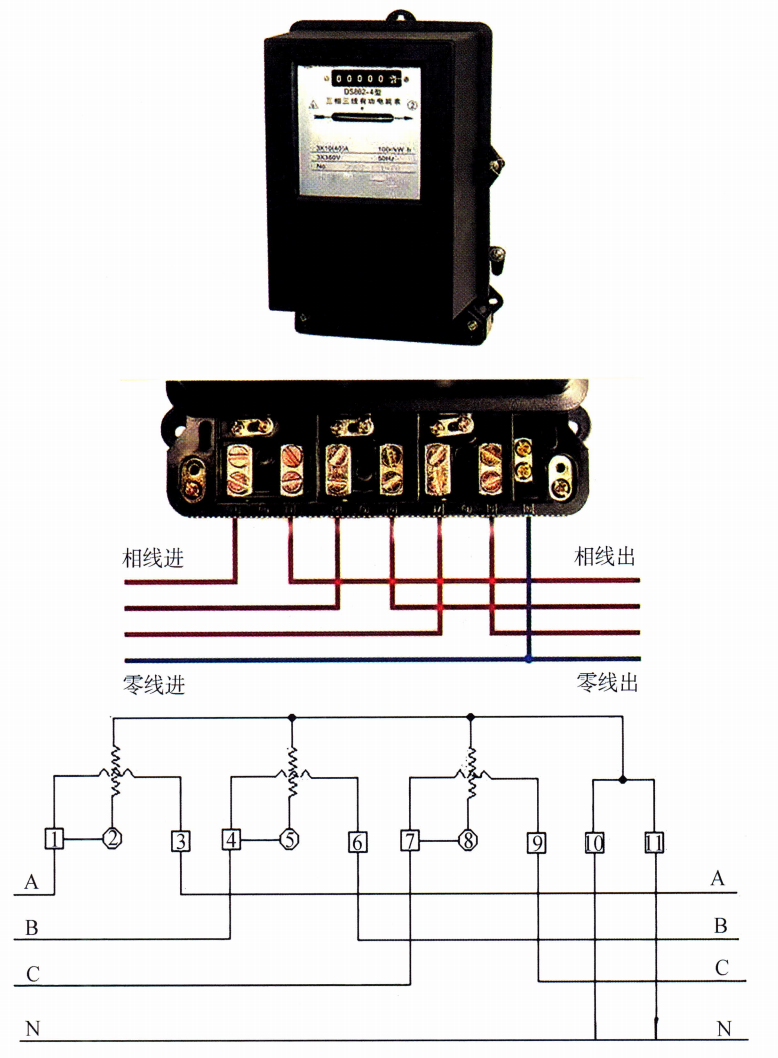
Figure 13-8 Direct Wiring Schematic for Three-Phase Meters
(2) Connection by means of a transformer:For currents > 100 A, convert the high current to 5 A. CT The K₂ terminal on the secondary side should be grounded.
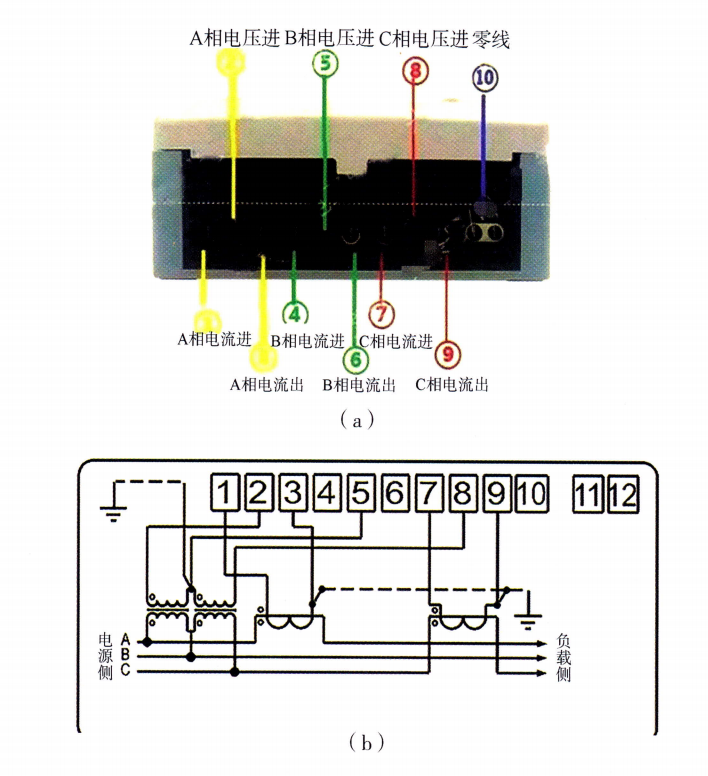
Figure 13-9 Wiring Schematic for Three-Phase Meter Connection via Current Transformer
3. Power meter wiring points and precautions
- (1) Outgoing meter wires shall be rated 500V insulated copper core, minimum 2.5mm² cross section.
- (2) Conductor laying is done by wire yards, channel boards, or plastic tubing.
- (3) Phase sequence markings: yellow (A), green (B), red (C); neutral black.
- (4) Pay attention to the ratio of the CT primary line and crimp the wiring lugs correctly.
- (5) The new table according to the drawing wiring, the old table need to use a multimeter to measure the terminals.
- (6) For three-phase, four-wire meters with CTs, the three voltage coil connection tabs must be removed!
- (7) CT polarity: When P₁ in or P₂ out, K₁ connects to 1,4,7; K₂ connects to 3,6,9. Reversing the connection will result in reversal.
- (8) The fixed CT of the busbar needs to be protected from heat treatment, and it is recommended to wrap the fiberglass cloth to isolate it.
- (9) Measure DC resistance before routing to prevent internal breakage of the wire.
- (10) Ensure that the voltage and current are in the same phase: the CT of phase A corresponds to the voltage terminal of phase A, and it is strictly prohibited to take power across phases.
III. AC Circuit Failure Analysis
Failure is divided into obvious features (such as smoke, overheating) and no obvious features (such as malfunction, broken circuit). Diagnosis is generally divided into “look, ask, smell, cut” four steps:
“The four steps of the ”cut":
Step one:Maintenance routines, moisture and dust protection.
Step two:Troubleshoot obvious faults first (e.g. broken wires, burnt contacts).
Step Three:Multiple faults are prioritized, easy before difficult. Overhaul power supplies and processes from back to front.
Step Four:Judge the range based on the knob and narrow down the point of failure to find the component.
(i) Energized inspection method
1. Requirements:Pay attention to personal safety. Cut off the main circuit as far as possible and energize only the control circuit; run the motor with no load.
2. Measurement methods:Use a tester, multimeter, clamp meter, etc. Complex systems can be used oscilloscope. Pay attention to prevent the circuit electricity misjudgment.
3. Specific methods of fault checking
(1) Calibration lamp method:Select 220V bulbs for 380V circuits. Connect the zero line at low potential and touch the points.
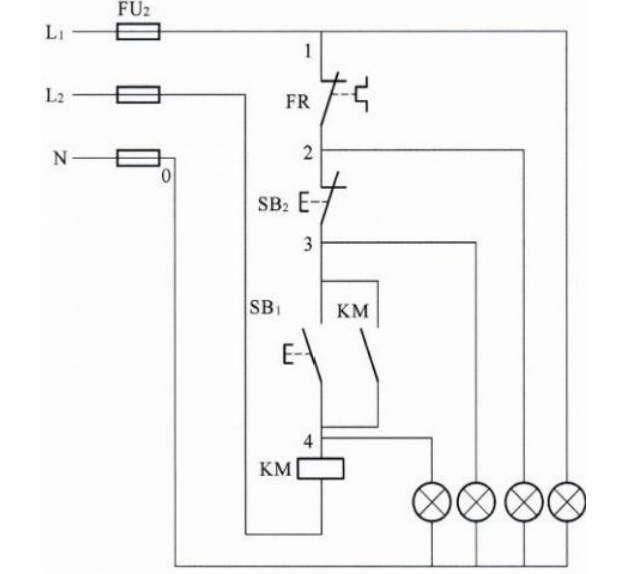
Figure 13-10 380V Calibration Lamp Method
Table 13-2 Calibration lamp method to find the fault point
| fault phenomenon | test status | 0 and 2
between two points |
Between 0 and 3 | 0 and 4
between two points |
trouble spot |
|
KM does not engage when SB₁ is pressed. |
SB₁ not pressed |
not bright | not bright | 亮 | FR Normally closed contact poor contact |
| 亮 | not bright | 亮 | SB₂ Normally closed contact poor contact | ||
| 亮 | 亮 | not bright | KM coil disconnection | ||
| Disconnect the KM coil and press SB₁. | 亮 | 亮 | not bright | SB₁ contact is not in good contact. |
(2) Test pen method:Safe but limited (e.g. contact arc climbing may be misleading). Measure from point A to point F. If the glow dims, there is a fault in the front section.
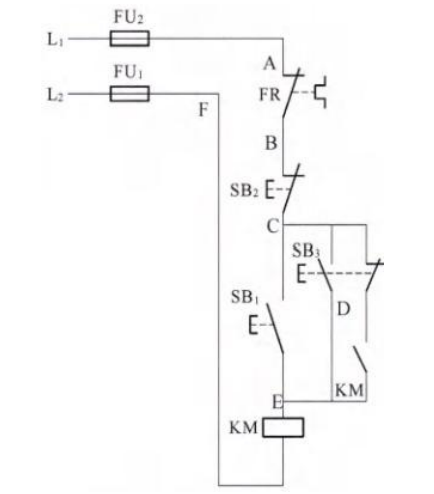
Figure 13-11 Electricity testing pen method
(ii) Power failure inspection method
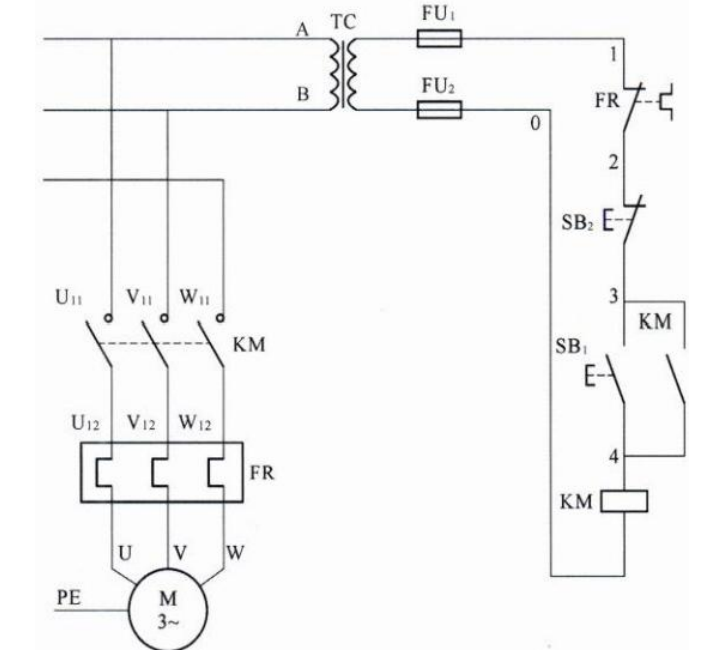
Figure 13-12 Motor one-way start self-locking control wiring diagram
For short circuit or smoke fault. It is necessary to disconnect the main circuit (e.g. point A/B) and remove the motor wiring to prevent misjudgment of winding conduction. Take the motor one-way start self-locking control circuit as an example: Figure 13-12.
(iii) Voltage checking method (charged measurements)
1. Voltage step method:The black pen fixes point 0, and the red pen measures points 2,3,4,5 in turn. Measuring 380V is normal, 0V means the front section is disconnected. Figure 13-13.
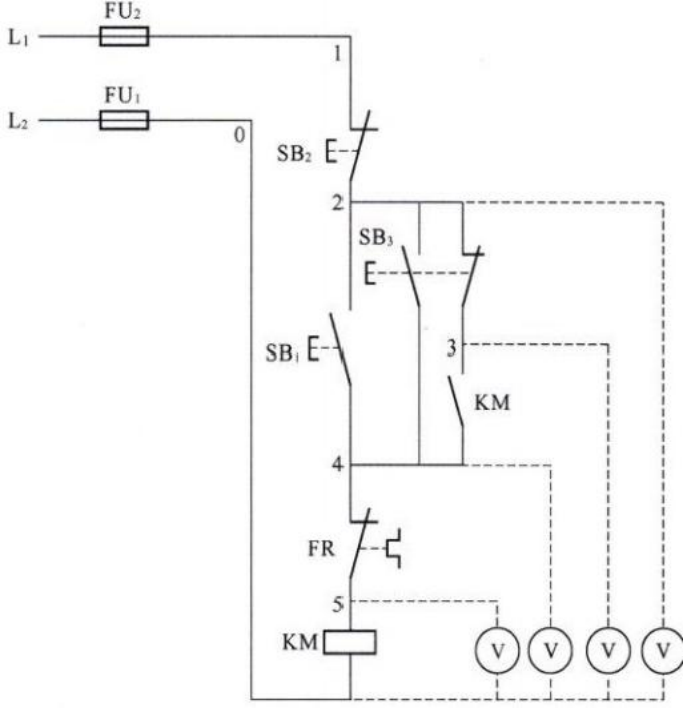
Figure 13-13 Voltage Step Measurement Method
Table 13-3 Voltage value and fault point measured by voltage step measurement method
| fault phenomenon | test status | Between 0 and 2 | 0 and 3
between two points |
Between 0 and 4 | Between 0 and 5 | trouble spot |
|
KM does not engage when SB or SB₃ is pressed. |
Press SB₁. not let go |
0 | 0 | 0 | 0 | SB₂ Normally closed contact poor contact |
| 380V | 0 | 380 V or 0 | 380 V or 0 | SB₃ Normally closed contact poor contact | ||
| 380 V | 380V | 0 | 0 | SB₁ contact is not in good contact. | ||
| 380V | 380V | 380V | 0 | FR Normally closed contact poor contact | ||
| 380V | 380V | 380V | 380V | KM coil disconnection |
2. Voltage segmentation:Two strokes measure adjacent points (1-2, 2-3...). Normal voltage is 0V, with a fault it shows 380V. fig. 13-14 .
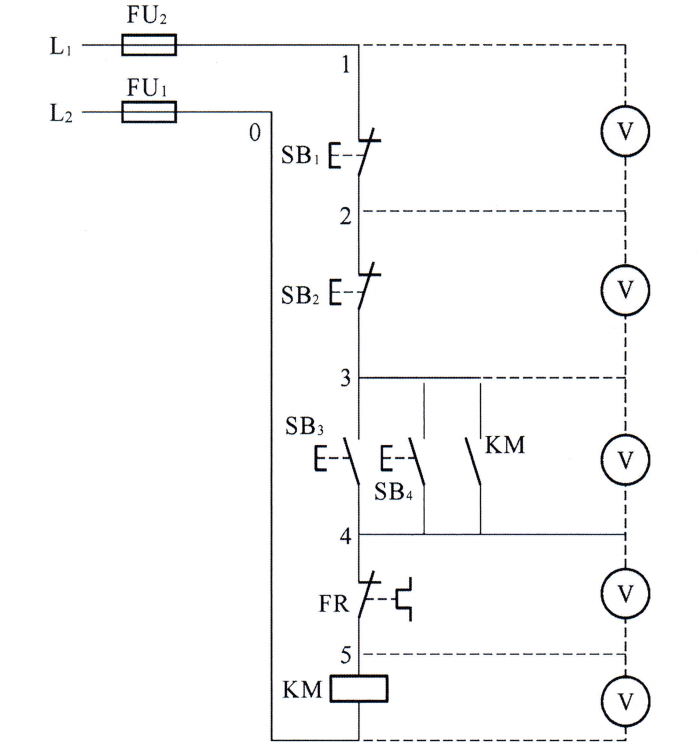
Figure 13-14 Voltage Segmentation Measurement Method
Table 13-4 Voltage values and fault points measured by voltage segmentation measurement method
| fault phenomenon | test status | 1 and 2
between two points |
Between points 2 and 3 | Between 3 and 4 | Between 4 and 5 | 5 and 0
between two points |
trouble spot |
|
Press SB₃ or SB₄ When the KM does not engage |
Press S B₃ or SB₄. not let go |
380V | 0 | 0 | 0 | 0 | SB₁ Normally closed contact poor contact |
| 0 | 380 V | 0 | 0 | 0 | SB₂ Normally closed contact poor contact | ||
| 0 | 0 | 380V | 0 | 0 | SB₃ or SB₄ normally open contact Poor contact | ||
| 0 | 0 | 0 | 380V | 0 | FR Normally closed contact poor contact | ||
| 0 | 0 | 0 | 0 | 380V | KM coil disconnection |
(iv) Resistance checking method (power failure measurement)
⚠️ Power must be disconnected!
1. Resistive ordering method:Measurements 0-1, 0-2... Normal is coil resistance, ∞ is broken. Figure 13-15 [Resistance step diagram].
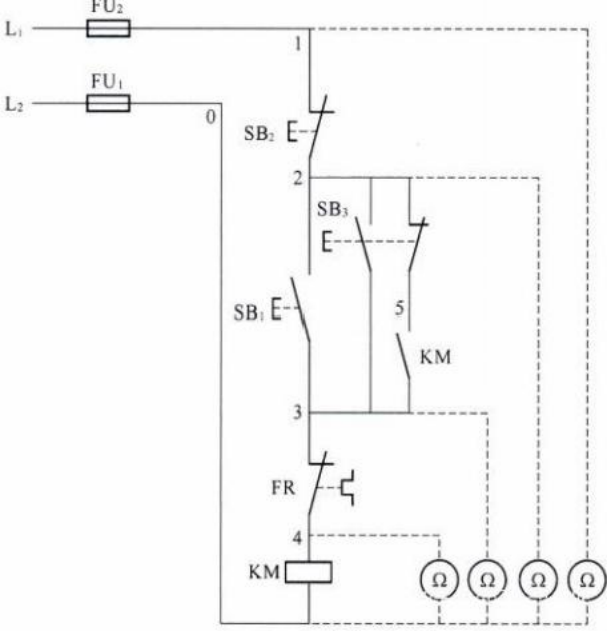
Figure 13-15 Resistance Step Measurement Method
Disconnect the main circuit power supply and turn on the control circuit power supply before measurement. If the contactor KM does not engage when the start button SB or SB₃ is pressed, there is a fault in the control circuit.
Detection should cut off the control circuit power supply (this point is different from the voltage step-by-step measurement method), and then one person presses SB₁ do not release, another person with a multimeter to measure the resistance between 0 and 1, 0 and 2, 0 and 3, 0 and 4 points, according to the results of the measurements can be found out the trouble spot, see Table 13-5.
Table 13-5 Resistance value and fault point measured by resistance step measurement method
| fault phenomenon | test status | 0 and 1
between two points |
Between 0 and 2 | 0 and 3
between two points |
0 and 4
between two points |
trouble spot |
|
Press SB₁ or When SB₃, KM does not suction |
Press and hold S B |
00 | R | R | R | SB₁ Normally closed contact poor contact |
| 0 | 00 | R | R | SB₁ or SB₃ Normally open contact poor contact | ||
| 00 | 00 | 00 | R | FR Normally closed contact poor contact | ||
| 00 | 00 | 0 | 0∞ | KM coil disconnection |
Note: R is the KM coil resistance value.
2. Resistance segmentation:Measure adjacent points, e.g. 1-2, 2-3. If ∞ then a circuit is broken. Watch for parallel circuit interference. Figure 13-16 [Resistor Segmentation Diagram].
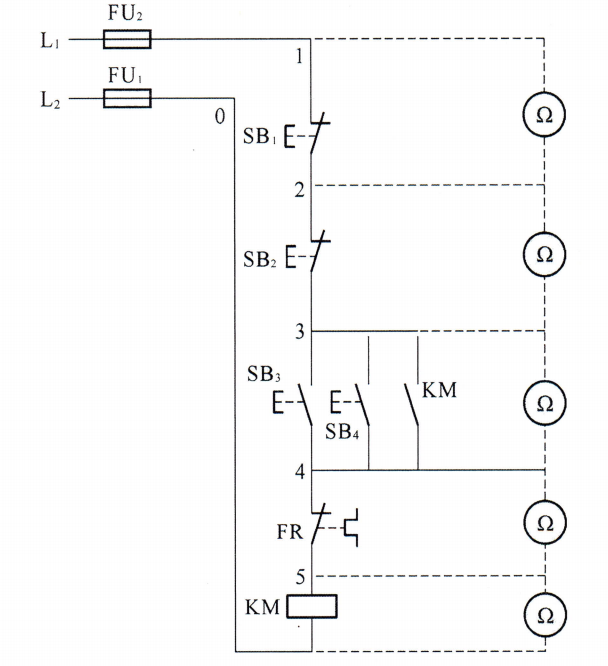
Figure 13-16 Resistance Segmentation Measurement Method
Table 13-6 Resistance Value and Fault Point Measured by Segmentation Measurement Method
|
fault phenomenon |
measuring point | resistance value | trouble spot |
|
KM does not engage when SB₃ or SB₄ is pressed. |
1 and 2 | ∞ | SB₁ Normally closed contact poor contact |
| 2 and 3 | 00 | SB₂ Normally closed contact poor contact | |
| 3 and 4 | 00 | Poor contact of SB₃ or SB₄ normally open contacts | |
| 4 and 5 | 00 | FR Normally closed contact poor contact | |
| 5 and 0 | 00 | KM coil disconnection |
(1) When checking for faults using the resistance segment measurement method, be sure to disconnect the power supply first;
(2) If the measured circuit is connected in parallel with other circuits, the parallel circuit must be disconnected, otherwise the measured resistance value is not accurate;
(3) When measuring high resistance electrical components, convert the resistance block of the multimeter to the appropriate stop.
(v) Short-circuit inspection method
Short the suspected break with an insulated wire.Note: It is strictly forbidden to short the load (e.g. between coils 5-0) and to short across large voltage drop components.
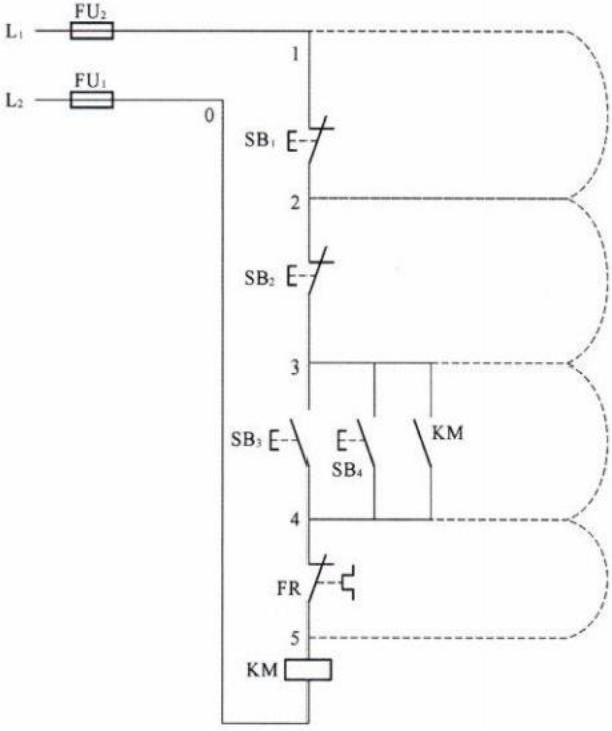
Figure 13-17 Shorting Inspection Method
The following points must be noted when checking for faults using the shorting method:
(1) When checking with the short connection method, the insulated wire is held in the hand and operated with electricity, so be sure to pay attention to safety to avoid electric shock accidents;
(2) shorting method only applies to the voltage drop of very small wires and contacts and other circuit faults, for the voltage drop of the larger appliances, such as resistance, coils, windings and other circuit faults, you can not use the shorting method, otherwise it will be short-circuited;
(3) For certain critical parts of industrial machinery, the short-circuit method can only be used if it is ensured that the electrical equipment or mechanical equipment will not fail.
Before using the shorting method to check, first use a multimeter to measure the voltage between the two points shown in Figure 13-17 1 and 0, if the voltage is normal, one person can press the start button SB₃ or SB₄ do not let go, and then the other person with a well-insulated wire, respectively, shorted adjacent to the number of 1 and 2 points, 2 and 3 points, 3 and 4 points, 4 and 5 points (Note: Never short 5 and 0 points, otherwise it will cause a short circuit), when shorted to a two-point contactor KM resumption, it means that the break fault is between the two points, see Table 13), when shorted to a two-point, it means the break fault is between the two points, see Table 13. (Note: Do not short 5 and 0 points, otherwise it will cause a short circuit), when shorted to a point when two points, the contactor KM suction, it shows that the fault is between the two points, see Table 13-7.
Table 13-7 Shorting method to find the fault point
| fault phenomenon | Shorting point marking | KM Action | trouble spot |
|
KM does not engage when SB₃ or SB₄ is pressed. |
1 and 2 | suction | SB₁ Normally closed contact poor contact |
| 2 and 3 | suction | SB₂ Normally closed contact poor contact | |
| 3 and 4 | suction | Poor contact of SB₃ or SB₄ normally open contacts | |
| 4 and 5 | suction | FR Normally closed contact poor contact |












 Chinese
  English
  Korean
  Japanese
  Thai
Thai  Arabic
  Spanish
  Russian
  Vietnamese
  Indonesian

