

Operational Procedures for High-Voltage Power Distribution Prior to High-Voltage Generator Maintenance
I. Precautions for the Operation and Maintenance of High-Voltage Electrical Systems on Ships
⚠️ Safety Warning:
In high-voltage electrical systems on ships, even if operators do not come into direct contact with live equipment, they may still suffer a serious electric shock if they inadvertently come too close to live equipment—within the specified safe operating distance. When it is necessary to operate certain equipment while it is energized, strict adherence to safety operating procedures is required,Wear insulated gloves and shoes, and use specialized insulated toolsProceed.
With the chief engineer’s approval, notify the engineer on duty and designate a safety supervisor; keep a record of the tools you are carrying.
The diesel engine's start air valve should be closed; the generator's start mode should be switched from automatic to manual; ensure there is no water, gas, or oil in the vicinity.
Disconnect the main switch, open and close the grounding switch, and post a warning sign; empty any loose items from your pockets and wear clean gloves to prevent sweat from dripping in.
Take inventory of the tools, verify the records, and secure the cover plate; confirm that no one is performing maintenance; check the bearing lubricant level.
II. Maintenance Procedures for Marine High-Voltage Generators
(I) Maintenance Procedures for High-Voltage Generators on Ships
(1) The Standby Machine Principle:High-voltage ship generators are inspected only when they are in standby mode to ensure the continuity of power supply to the ship's power plant.
(2) Preparation Steps:The generator set mode selector switch must be set to the “Manual” position, the control mode must be switched to local control, and the local control panel“Turn the ”Block Handle“ to the ”STOP” position, to prevent accidental startup.
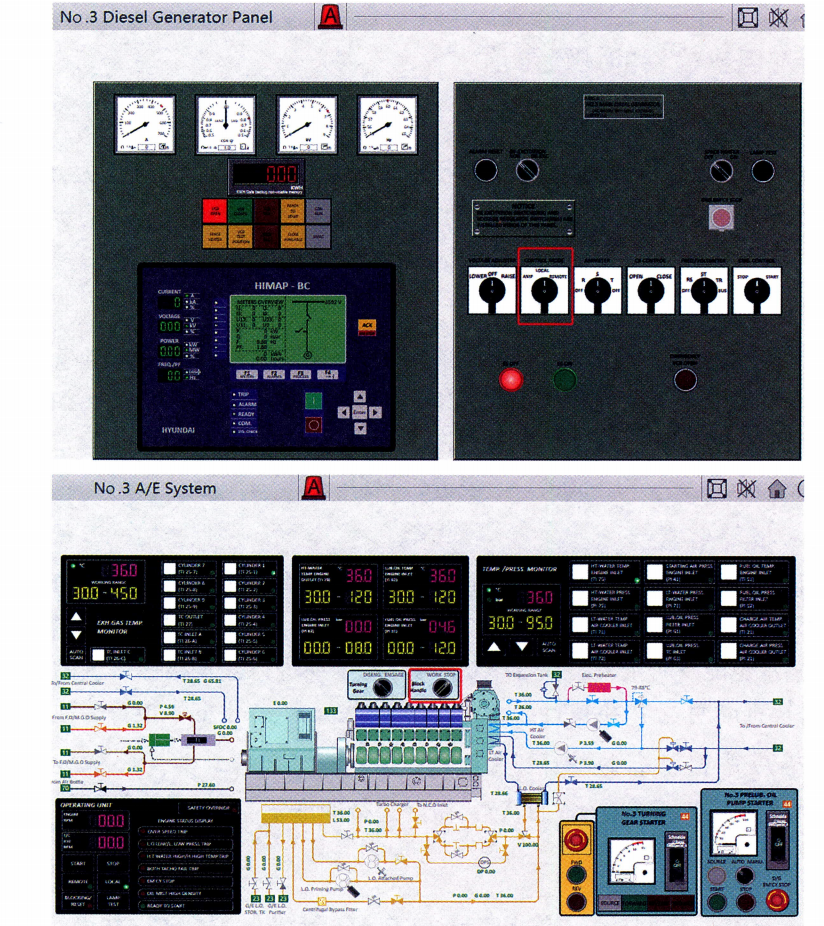
Figure 11-10: Preparations Before High-Voltage Generator Maintenance
(3) Voltage testing procedure:Turn off the main switch, shut down the excitation power supply, and throughHigh Voltage IndicatorCheck for voltage. If there is no voltage, switch the circuit breaker totest location。
(4) Grounding and Protection:Close the grounding switch and fully discharge the system. Assign a supervisor and post warning signs. Obtain approval from the chief engineer and notify the engineer on duty. Maintenance may only begin after everything has been verified.
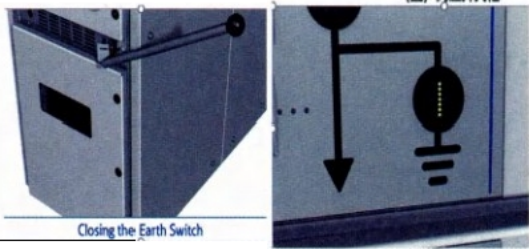
Figure 11-11 Schematic Diagram of Earthing Switch Operation
(5) Personal Protective Equipment:When measuring winding insulation or disconnecting grounding resistance for maintenance, operators must wear insulated gloves and insulated shoes.
(2) Precautions for High-Voltage Generator Maintenance
1. Strict Grounding and Discharge
The residual electric field in the stator or field windings carries a high charge density, posing a significant hazard. Before shutting down for maintenance, a grounding and discharging procedure must be performed to ensure that the grounding is reliable and that the windings are fully discharged.
2. Monitor Generator Insulation
Stator:For a 6,600-volt system, use a GQ meter rated at 2,500 volts or higher for measurement. The neutral point grounding resistor must be disconnected.
Rotor:When measuring with a 500-volt megohmmeter, the automatic voltage regulator (AVR) must be disconnected.
3. Leak Detection System
High-voltage generators typically useWater-Cooled Air Cooler. The cooler is located at the top, and water leaks can easily damage the windings. During maintenance, the effectiveness of the water leak alarm system must be tested periodically and recorded.
4. Recovery Procedure
Once maintenance is complete, strictly follow the restoration procedure. Restore the status of all switches and equipment in the correct order to prepare for operation.








 Chinese
  English
  Korean
  Japanese
  Thai
Thai  Arabic
  Spanish
  Russian
  Vietnamese
  Indonesian

