

Proper selection and use of cleaning materials for maintenance of electrical and electronic equipment
I. Selection of cleaning materials
If there is dirt or dust on the surface of the motor or motor winding, it may affect the heat dissipation of the motor, increase the energy consumption, and even have certain safety risks, you can choose a special electrical cleaner that evaporates quickly and has no residue when the motor is shut down, for exampleCRC Lectra Clean (commonly known as motor water). This cleaner is trichloroethylene free, a unique, scientifically based cleaner/degreaser that quickly dissolves grease, oil, and sludge to help machinery and equipment work more efficiently, and is non-flammable.
Use of norms:
If it is canned, shake the can well before use, aim the aerosol nozzle at the target of use and press the nozzle. The spraying distance is generally 15~30cm, adjust the spraying distance and angle according to the product. Be careful to avoid spraying on people and animals, please wear a mask and gloves when using. Of course, you can also try to use a lint-free cloth dipped in water to clean the surface of the motor or the winding, and pay attention to drying after cleaning. Most of the marine motors are brushless motors, if it is only the accumulation of dust, you can consider using a certain pressure of compressed air, blowing dust treatment.
II. Cleaning methods
(1) Brush motor toner cleaning
A. Use a clean, soft, large brush to brush away the surface toner, do not use too much force; B. Use a small power vacuum cleaner to suck away the toner, pay attention to the suction power to protect the motor.
Spray evenly with Precision Appliance Cleaner and wipe with a soft cloth.Note the ban:Carbon tetrachloride (CCl₄) has been banned from production and use since 1 June 2003 because it destroys the ozone layer.
(2) Precision cleaning of circuit boards
Due to the large number of components, dust accumulation will bring: ① heat dissipation problems; ② degradation of electrical performance (leakage current); ③ risk of corrosion (salt); ④ signal interference (high-frequency impedance); ⑤ physical damage; and ⑥ increased difficulty in cleaning.
Material Selection:
select and usePrecision Electrical Cleaner (Figure 23-5), with plastic safety, fast evaporation and no residue. Or chooseDust remover (Figure 23-6)Removes dirt from tight crevices with powerful airflow.
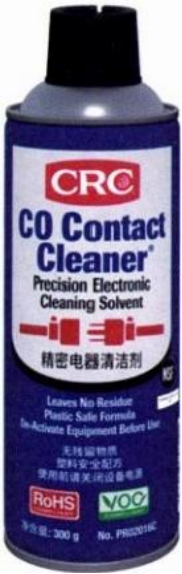 Figure 23-5 Precision Electrical Cleaner
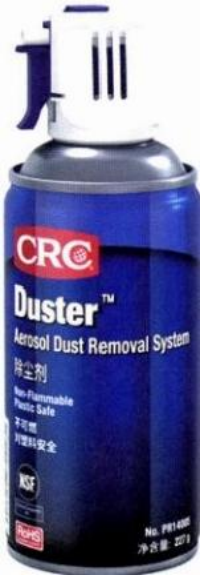 Figure 23-6 Dust remover
⚠️ PRESSURE VESSEL WARNING: Avoid high temperatures, incinerators are prohibited, and it is recommended to disconnect power before use.
(3) Clean old butter from bearings
Immersed in 100~200℃ hot slippery grease to melt the tallow. Complex bearings need to be disassembled and cleaned. Tools: pliers, brushes, hot motor oil.
Soak it in kerosene for 5~10min to soften it, then wash it with gasoline to remove the residue. Tools: Kerosene, gasoline, fine soft brush.
Use cavitation effect to strip off the dirt. Tools: ultrasonic cleaner, cleaning solution, lint-free cloth.
Caveats:Avoid scraping with sharp tools; apply new lubricating grease promptly after cleaning; try not to use dismantled bearings unless spare parts are not available.
III. Other types of cleaning tools
Includes: anti-static brushes, non-woven fabrics, vacuum cleaners, erasers and more.The use of metal brushes or high-pressure air guns is prohibited to avoid damage to the components.
Practical case: gold finger failure repair
Phenomenon:Poor contact due to oxidation or dirt.Restoration Steps:
- Power outage:Unplug.
- Prepare the tools:Clean, soft eraser.
- Cleaning process:Wipe back and forth in the direction of the gold finger to remove the oxidized layer.
- Check for cleanup:Brush off crumbs after buffing to a shine.
- Reinstallation & Testing:Thoroughly dry and then plug in and power up for testing.
[Image showing an eraser cleaning the gold contacts of a RAM stick]
*Note: In case of severe oxidation or physical damage, eraser alone cannot solve the problem and professional repair is required.







 Chinese
 English
 Korean
 Japanese
 Thai
Thai Arabic
 Spanish
 Russian
 Vietnamese
 Indonesian

