

Cable termination process and crimping specifications
Electrical Engineering Fundamentals - Crimping Standards - Safety Practices
I. Cable cutting
Before cutting the cable, the appropriate cutting tool should be selected according to the specification and material of the cable, as shown in Figure 17-7, to ensure the cutting effect and safety.
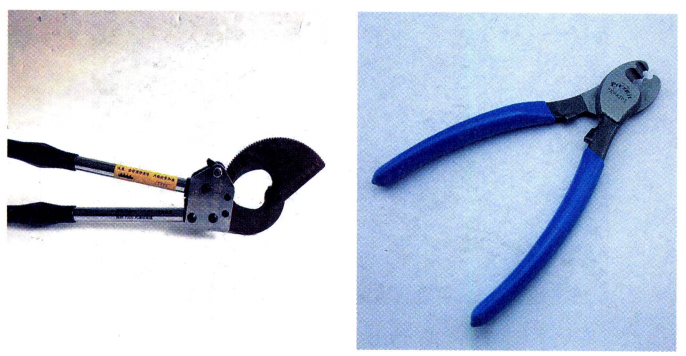
Figure 17-7: Demonstration of Common Industrial Cable Cutting and Stripping Tools
There are two things to keep in mind when cutting cables:
1. Security:
When cutting cables, use appropriate protective equipment such as gloves and goggles to prevent injury from flying debris.
When cutting cables, use appropriate protective equipment such as gloves and goggles to prevent injury from flying debris.
2. Correct operation:
Determine the length of the cable cut according to the needs, and follow the instructions for the tool to operate correctly, as shown in Figure 17-8, taking care to avoid damage to the tool or injury to personnel due to improper operation.
Determine the length of the cable cut according to the needs, and follow the instructions for the tool to operate correctly, as shown in Figure 17-8, taking care to avoid damage to the tool or injury to personnel due to improper operation.
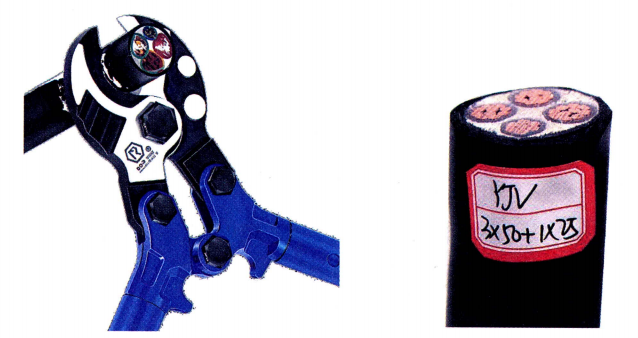 Figure 17-8 Cable Cutting
In short, the selection and use of cable cutting tools should be based on the actual situation to ensure that the cutting process is safe and the cutting end surface is flat.
II. Processing of cable ends
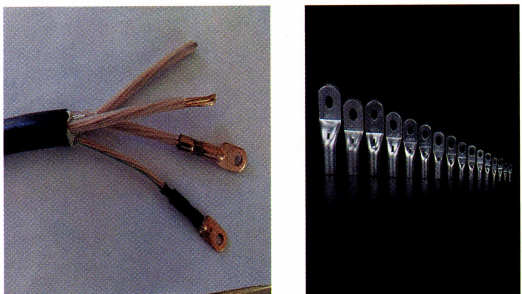
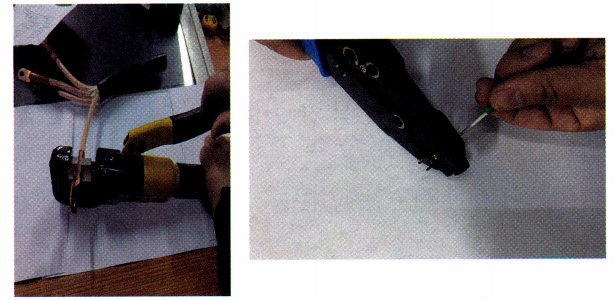
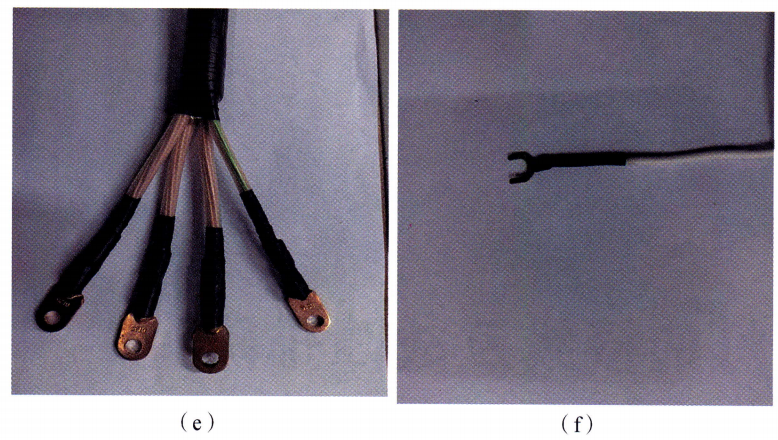
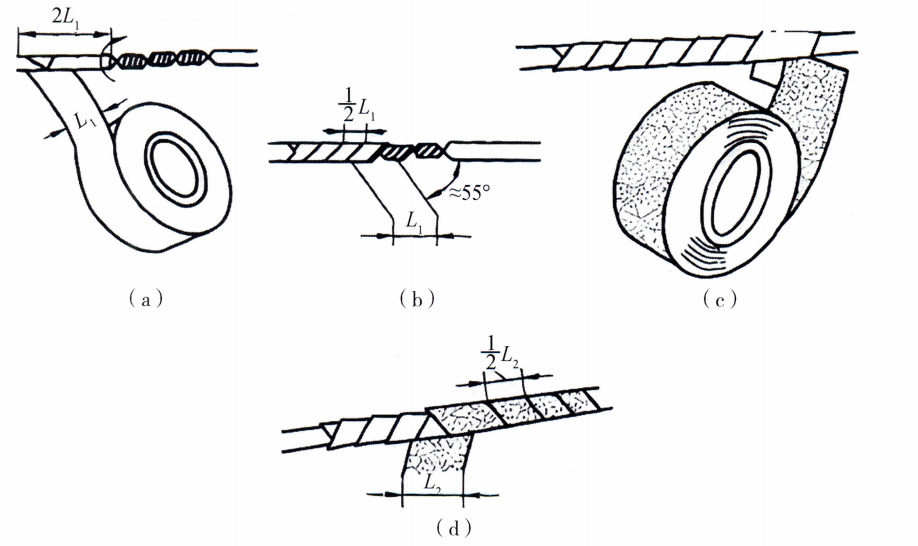
The process of crimping cable ends consists of the following key steps:
⚠️ 4. Cautions
- (1) In the crimping process, safety operation procedures should be strictly observed to ensure personal and equipment safety.
- (2) Selection of suitable crimping tools and molds is very important, wires, crimps, ends need to match each other, they directly affect the quality and effect of crimping.
- (3) Cables and ends (or terminals) should be carefully inspected and prepared before crimping to ensure that there are no defects or damage.
- (4) Upon completion of the crimping, the necessary tests and inspections shall be performed to ensure the quality and reliability of the crimp.











 Chinese
 English
 Korean
 Japanese
 Thai
Thai Arabic
 Spanish
 Russian
 Vietnamese
 Indonesian

