

Safe Operation Practices for Ship's High Voltage Installations
I. Structural Composition of High Voltage Main Switchboards
1. Reading of single-line diagrams of ships' high-voltage electrical systems
Understand the components and major equipment of the high voltage power system by using the simulator software high voltage power system single line diagram. Compare the simulated high-voltage power distribution board to master the arrangement of switchgear. Figure 11-1 shows the single-line diagram of the ship's high-voltage power system.
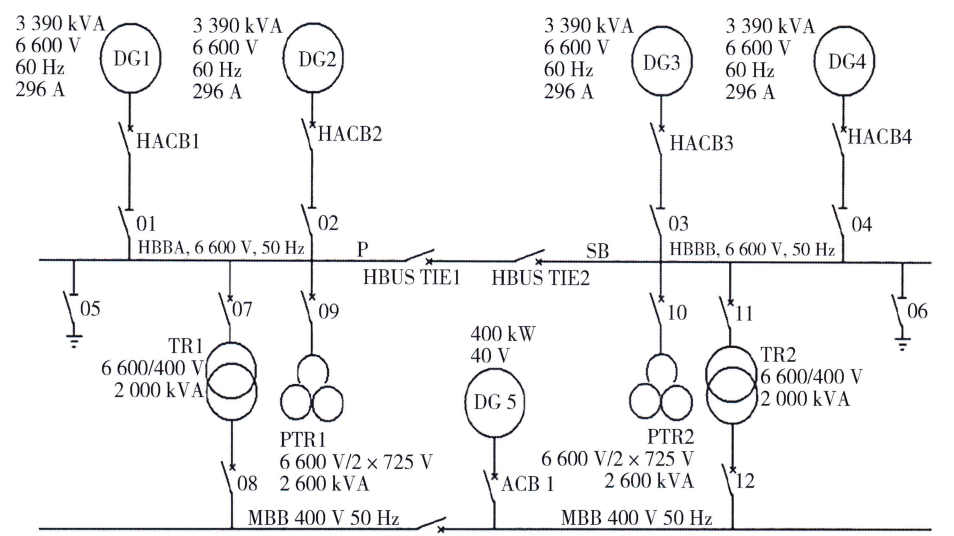
Figure 11-1 Single-line diagram of a ship's high-voltage electrical system
(1) Core equipment designation:Read single line diagrams and identify important high voltage equipment such as high voltage generators, high voltage circuit breakers, high voltage disconnect switches, high voltage ground switches, high voltage busbars, and high voltage transformers.
(2) Load designation:On a one-line diagram, designate the major high-voltage loads.
(3) System Connections:On a single line diagram, illustrate the connection between the high voltage system and the low voltage system.
Logical parsing:As shown in Figure 11-1, the high-voltage busbar is divided into two sections on the port and starboard sides by two high-voltage busbar circuit breakers HBUS TIE1 and HBUS TIE2; two main generators are directly connected to the port high-voltage busbar HBBA, and the other two main generators are directly connected to the starboard high-voltage busbar HBBB, and the main connection of the ship's high-voltage power station is in the form of a single busbar segmented type.
Port side high voltage bus HBBA and starboard side high voltage bus HBBB respectively through the high voltage transformer TR1, TR2 will 6600 V high voltage into 400 V low voltage, to 400 V low voltage bus MBB power supply. The port high voltage bus HBBA and the starboard high voltage bus HBBB supply power to one propulsion high voltage transformer PTR1 and PTR2 respectively on the port and starboard sides, and then PTR1 and PTR2 supply power to the main propulsion motor of the ship.
2. Identification of the components of a ship's high-voltage switchboards
The ship's high-voltage power system is generally supplied to the loads of the ship's low-voltage power system through a high-voltage transformer that steps down the high voltage to a low voltage. In addition to generator control panels, synchronization control panels and load panels, there are step-down transformer panels and bus contact panels.
- (1) Structural isolation:There is only one circuit for each screen; there are functional structures such as switch room, cable room and low voltage room which are isolated from each other inside.
- (2) Five defense interlocks:There are stringent internal interlocking protection operational requirements, commonly known as the “five precautions”.
- (3) Arc Drainage Channel:The top has an arc relief channel and a pressure relief plate, which is used to safely release harmful gases and metal ions when the internal arc is ignited.
- (4) Type of circuit breaker:The vast majority of them use withdrawable vacuum circuit breakers, SF6 circuit breakers and so on.
- (5) Busbar segmentation:Split into at least 2 independent subsections as required by the CCS code. The lifting screen (or busbar switching screen) is a special screen structure unique to high-voltage switchboards.
- (6) Relay protection:High-voltage-specific protection functions such as longitudinal differential, zero sequence, rotor grounding, etc. are realized by means of independent digital multifunction relays.
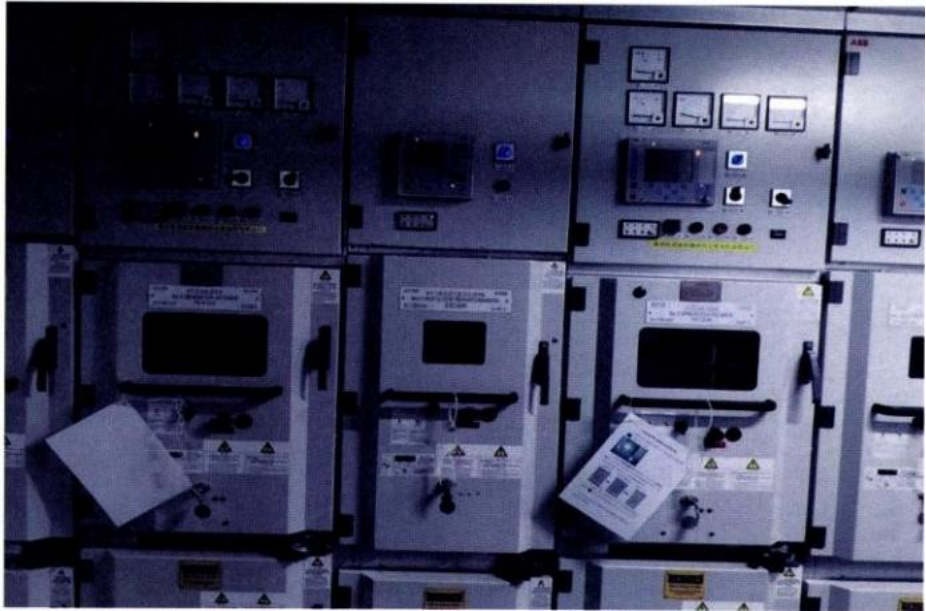 Figure 11-2 Physical diagram of high-voltage distribution panel
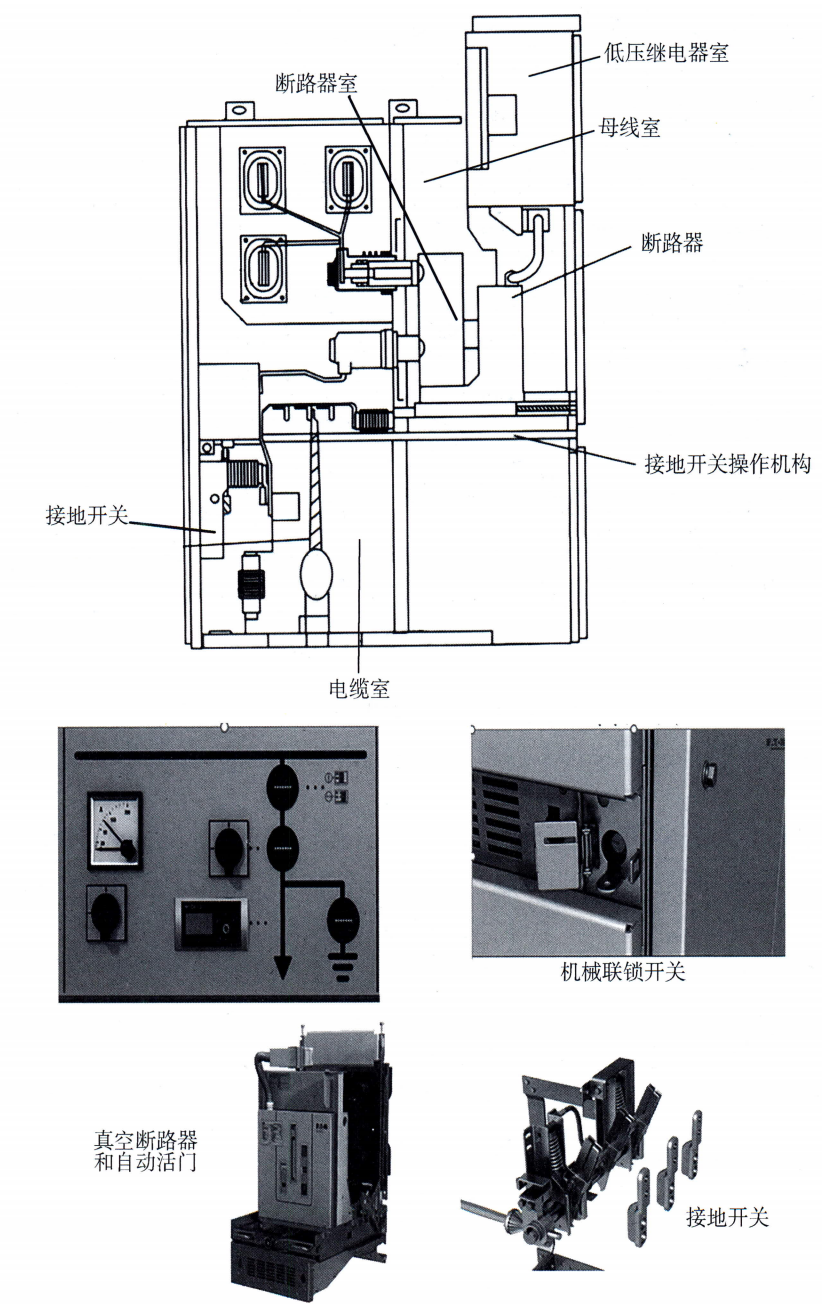 Figure 11-3 Internal structure of high-voltage distribution panel showing Circuit breaker room, bus bar room, etc.
Since the breaker's break point is invisible from the outside, to ensure the safety of maintenance operators, the main generator, busbar break, transformer circuit breaker and busbar are connected in series between thedisconnect switch. At the same time, the supply and distribution lines were installed with multiplegrounding switch, ensure that the contact line is not energized.
II. Detection of high voltage electricity
View the status of the on-grid and off-grid generator high voltage banding displays.High Voltage IndicatorIt is a suggestive safety device directly mounted on high voltage electrical equipment. The rated voltage of high voltage is divided into 3kV, 6kV, 10kV, 27.5kV, 35kV and so on.
As shown in Figure 11-4, the indicator light flashes when the unit is carrying operating voltage. This device is used to prevent electrical misuse. The high-voltage tape indicator consists of a sensor, a wire, and an LED mounted display.Operating Procedures:Press the self-check power button on the inoperative generator display, the latching indicator light comes on and goes off after a few seconds as normal.
Running generator sets can also read parameters such as voltage, current, and power from the meter (as shown in Figure 11-5).
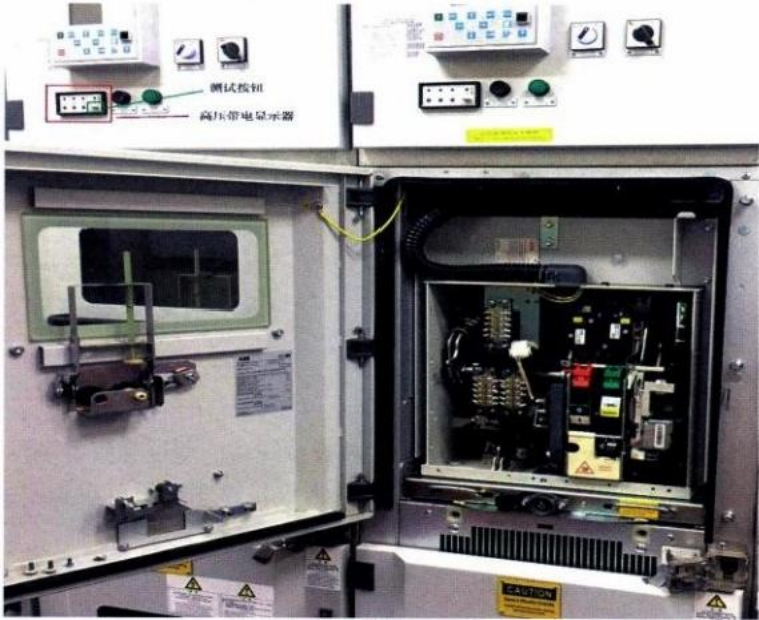 Figure 11-4 High-voltage energized display and test button
III. Core norms of the “five precautions” for high-voltage power systems
Ship high-voltage switchgear “five preventive measures” specific content:
IV. Operation and management practices of high-voltage switchboards
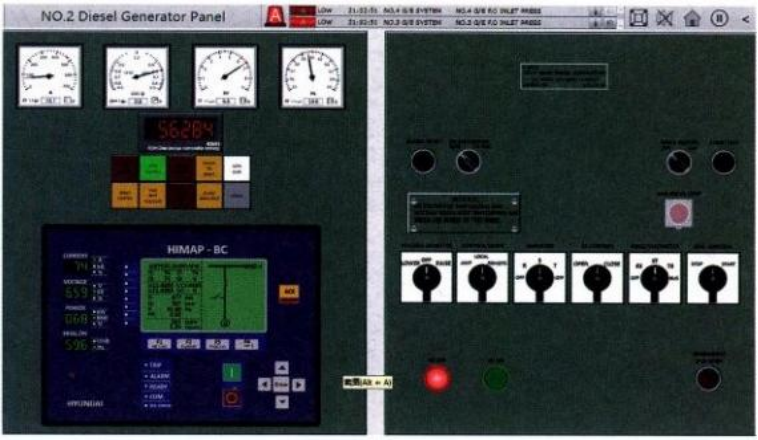
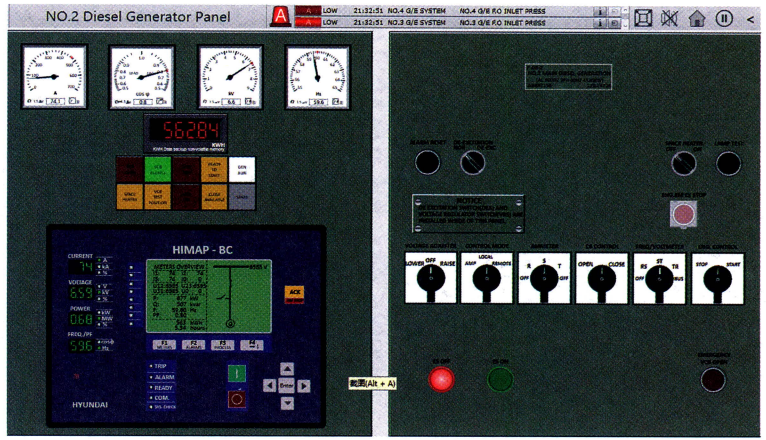
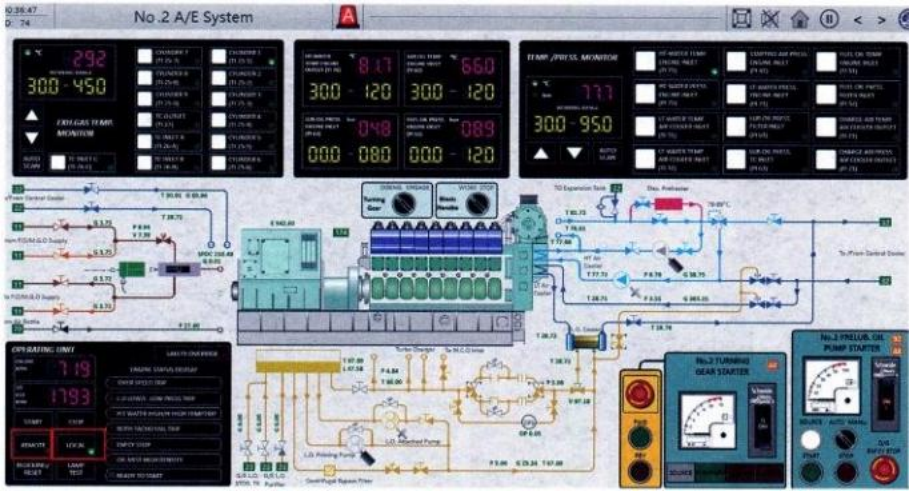
The main contents of operation management include: indication verification, pilot light test, insulation test, ground gas light test, parameter record and system alarm function test.
Step-Down Transformer Screen Inspection
Verify voltage/current readings and circuit breaker status as in Figure 11-8. Rotate the switch to control the mode and trip closure. Observe ES indicator to verify grounding status.
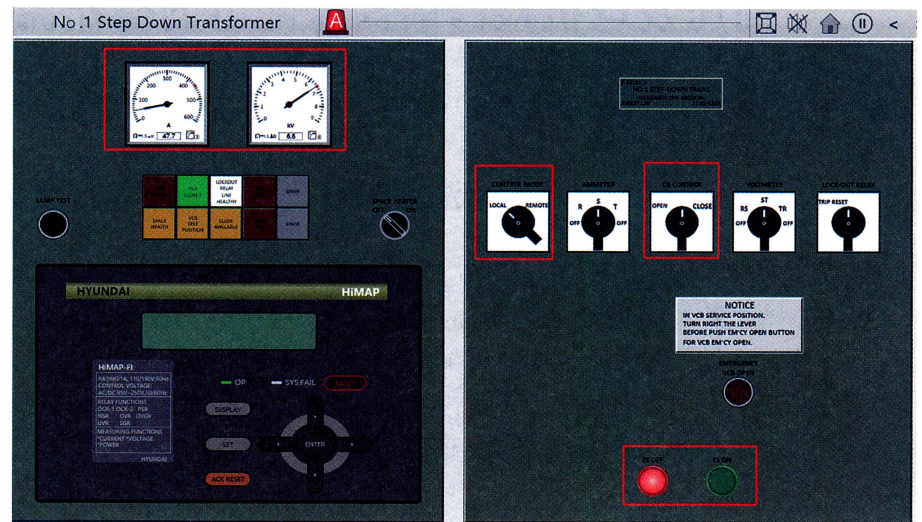
Figure 11-8 No.1 Step-Down Transformer Screen
Test Lamps and Insulation Tests
As in Figure 11-9, press the test light button to check the global indicator for good or bad. Press the insulation test button and observe the switchboard megohmmeter pointer turn to 0 to confirm function.
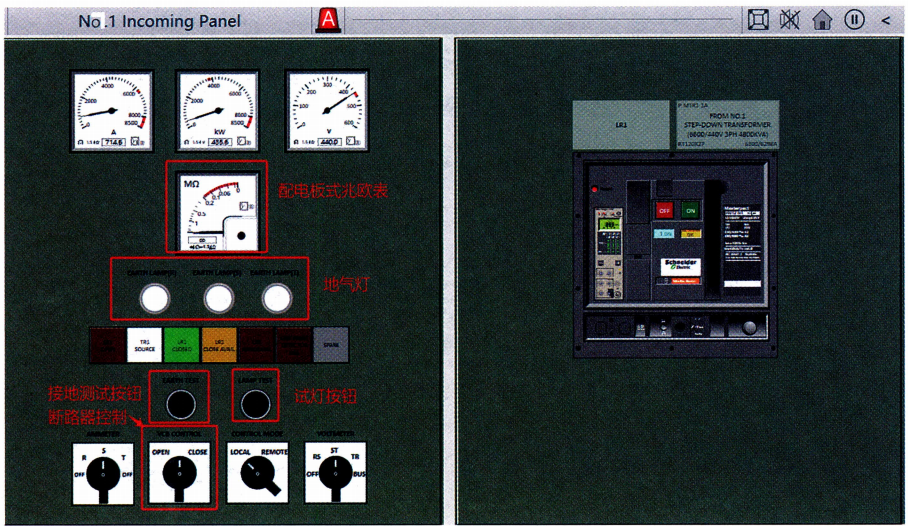
Figure 11-9 No.1 Feeder screen pilot light and insulation test



 Chinese
  English
  Korean
  Japanese
  Thai
Thai  Arabic
  Spanish
  Russian
  Vietnamese
  Indonesian

